Why Semiconductor Manufacturing Needs Specialized ETP Design
Learn why semiconductor manufacturing needs specialized ETP design based on wastewater composition, flow variations, treatment standards, space and water reuse requirements.
Semiconductor manufacturing is a precise process. Every step is controlled closely, and even a small change can affect the final product. The wastewater that comes out of this process deserves the same level of care.
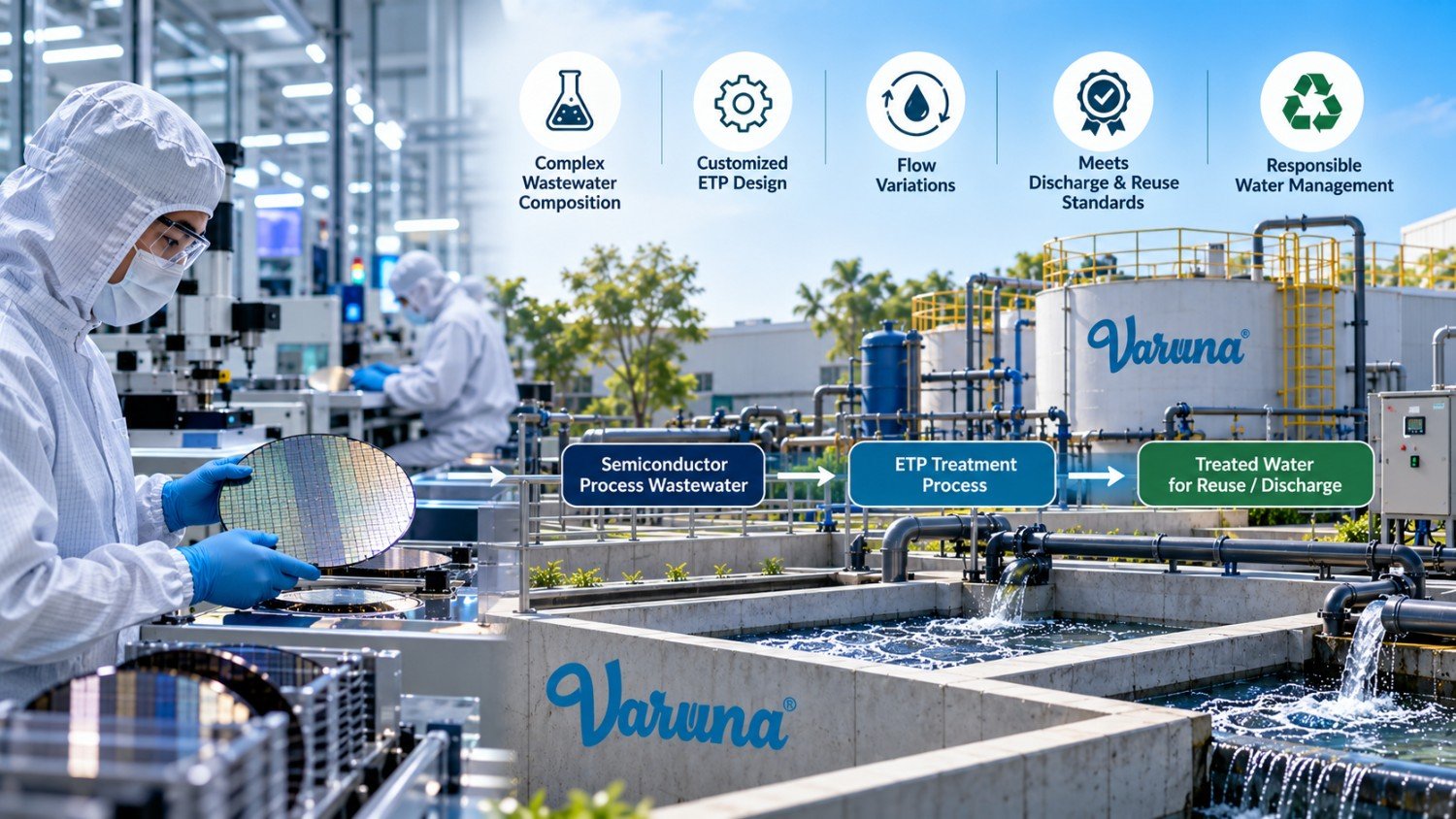
Semiconductor wastewater is not like the wastewater from most other industries. Its makeup can change a lot depending on the chemicals, materials, and steps used in the plant. Because of this, a regular, off-the-shelf Effluent Treatment Plant (ETP) often isn't enough.
A good semiconductor wastewater treatment system is built around three things: what's actually in the wastewater, what the treatment needs to achieve, and what the facility specifically requires.
What Makes Semiconductor Wastewater Different?
Semiconductor manufacturing includes many different processes, and each one can create its own type of wastewater. So instead of one uniform stream, plants often end up with several streams, each needing its own treatment method.
A basic, one-size-fits-all ETP usually can't handle this kind of variety well.
That's why the first step in designing an ETP for this industry isn't picking a plant based on size. It's understanding exactly what's in the wastewater.
Why a Specialized ETP Design Matters
A specialized ETP is built around the wastewater itself, not the other way around. Here are the main things that go into the design.
1. Different Contaminants Need Different Treatment
Semiconductor wastewater can contain a wide range of substances. So the treatment method has to match the specific contaminants found in each stream.
Knowing what's in the water helps decide which treatment steps are truly necessary—and which ones aren't.
2. Wastewater Flow Isn't Always Steady
Factories don't produce wastewater at a fixed, constant rate. Production schedules, process changes, and different operating stages all cause the flow to go up and down.
If an ETP is designed only for an "average" flow, it may struggle when the real flow spikes or drops. A well-designed system plans for these ups and downs from the start.
3. Water Quality Has to Meet the Right Standard
An ETP isn't just there to make wastewater look cleaner. The treated water has to actually meet the quality needed for wherever it's going next—whether that's safe discharge or reuse within the plant.
This means treatment goals need to be part of the design conversation from day one.
4. Space and Layout Matter Too
Most facilities have limited room to work with. An ETP has to fit into the existing space without making daily operations harder.
Things like equipment placement, how water flows through the system, ease of access, and room for future expansion all need to be part of the planning.
A Custom Approach Works Better
No single ETP design fits every semiconductor plant equally well. A better approach starts by asking the right questions:
- How much wastewater does the facility produce each day?
- What does that wastewater actually contain?
- Are there multiple separate wastewater streams?
- How much does the flow change during production?
- What quality does the treated water need to reach?
- How much space is available for the system?
- Is reusing water part of the long-term plan?
- How will sludge and other by-products be handled?
The answers to these questions shape a design that actually fits the facility, instead of forcing the facility to fit a generic design.
Can Treated Water Be Reused?
In some cases, yes—treated wastewater can be reused, depending on how clean it is and what it will be used for.
But reuse shouldn't happen by default. Treated water should never go back into a process without first confirming it meets the right quality for that purpose.
Proper treatment, regular monitoring, and clear reuse standards are all necessary. Done right, this turns industrial wastewater treatment from just a compliance task into part of a bigger water-management plan.
Choosing the Right Wastewater Treatment System
Capacity matters when picking an ETP, but it shouldn't be the only factor. A system that seems like a good fit on paper may not actually perform well if it doesn't match the real characteristics of the wastewater.
The smarter approach is to understand the wastewater first, then design the treatment process around it—not the other way around.
A customized system helps manufacturers manage complicated wastewater more effectively while also matching their actual day-to-day operations.
How Varuna Approaches Industrial ETP Design
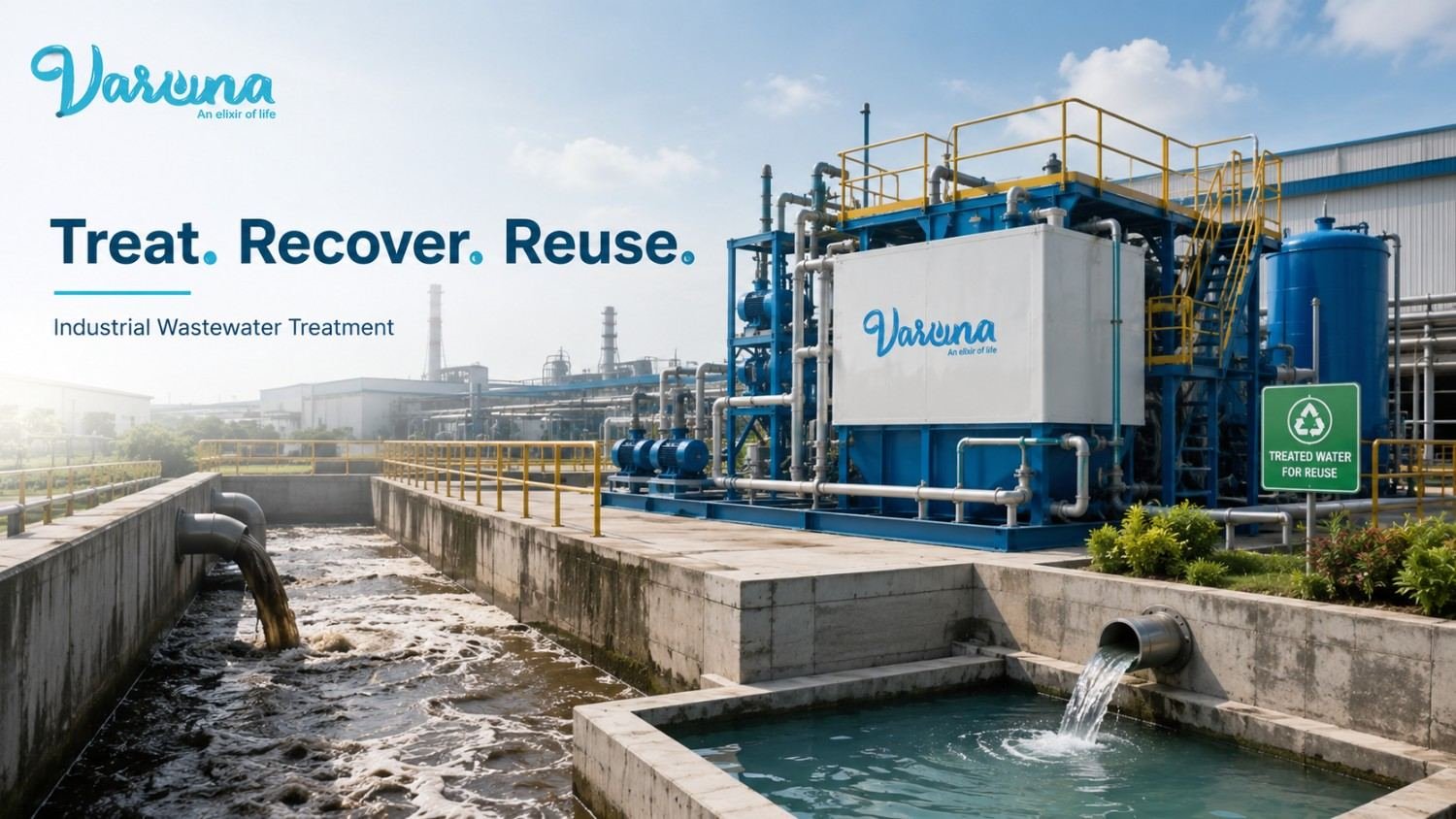
At Varuna, every ETP is designed around the facility's real wastewater characteristics, required capacity, available space, and treatment goals.
The idea isn't to use the same setup for every client. Instead, the treatment approach is shaped around what that specific facility is actually producing.
For semiconductor manufacturers dealing with complex effluent, this kind of tailored approach makes the ETP more practical, more reliable, and better suited to how the plant actually runs.
Final Thoughts
Semiconductor manufacturing runs on precision, and wastewater treatment deserves the same mindset. Since wastewater characteristics, flow patterns, and treatment needs can vary so much, a standard ETP often falls short.
A specialized ETP starts with understanding the wastewater, then builds the treatment process around it.
The goal is simple: treat the water properly, manage it responsibly, and build a system that truly fits the facility it serves.