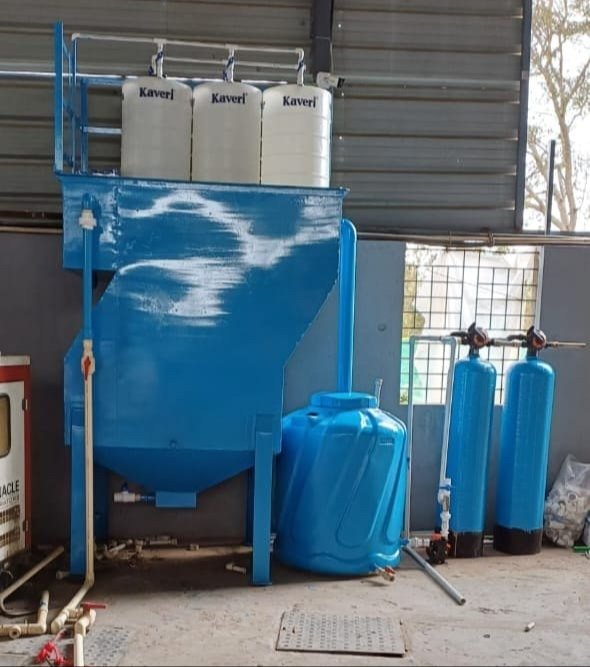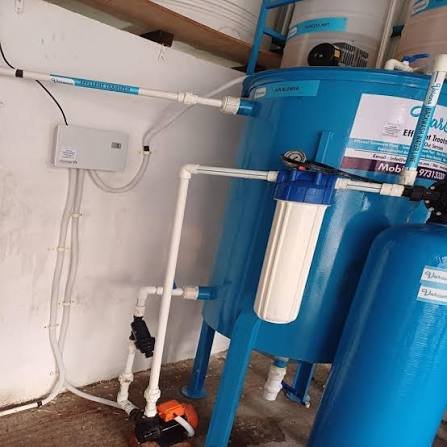
Laundry Effluent Treatment Plant (ETP)
Varuna offers customized Laundry ETP solutions starting from 5 KLD for commercial laundries, hotels, hospitals, and industrial washing facilities, with treatment, filtration, and water recycling options.
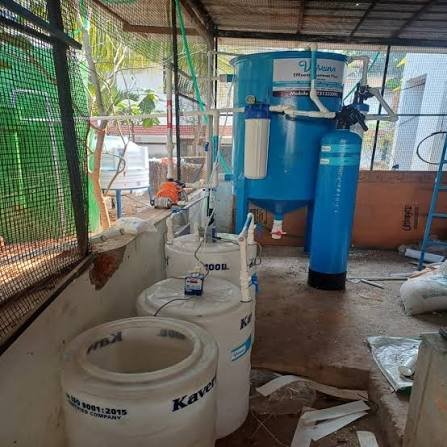
Efficient Wastewater Treatment Solutions for Laundry Facilities
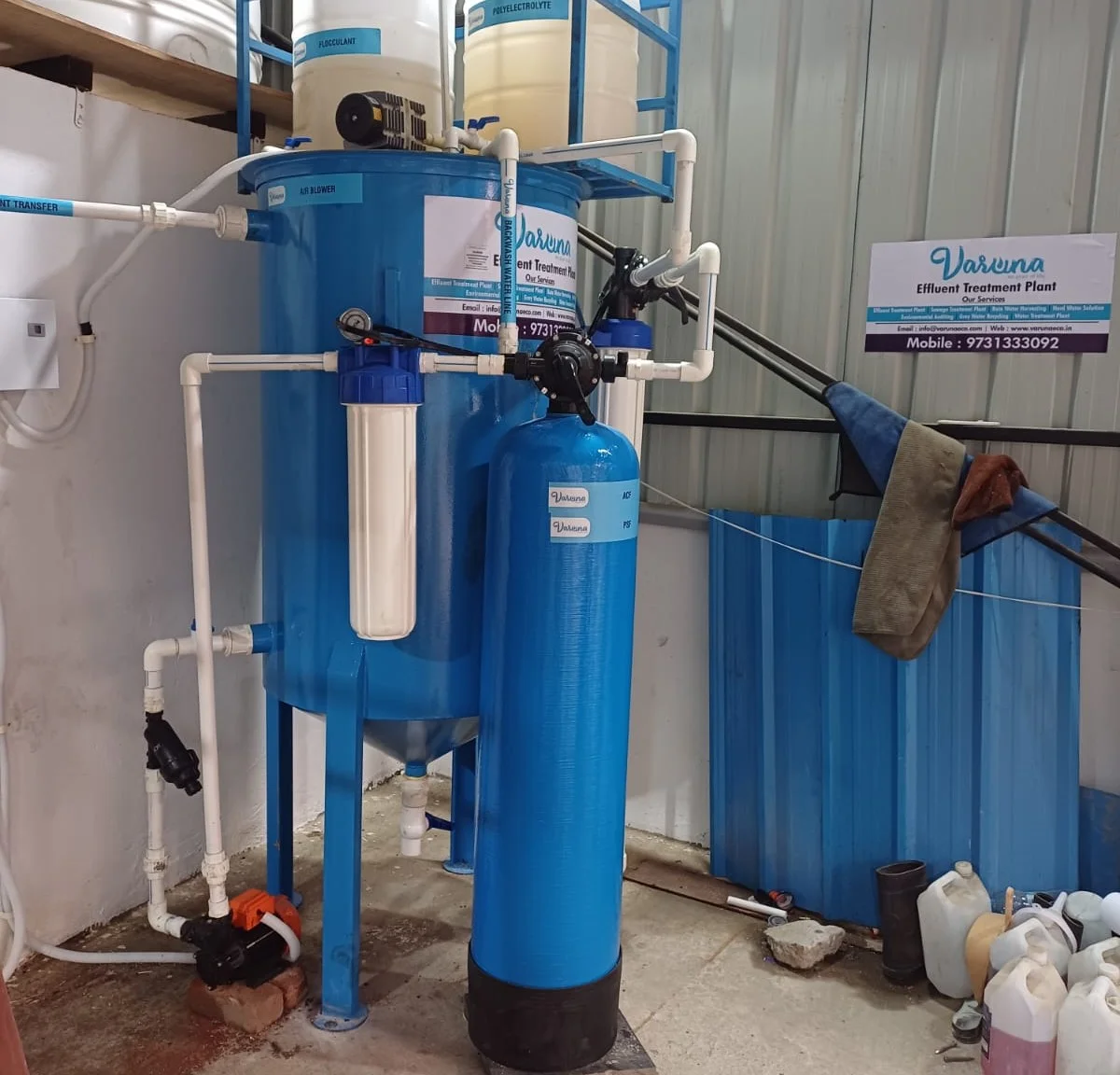
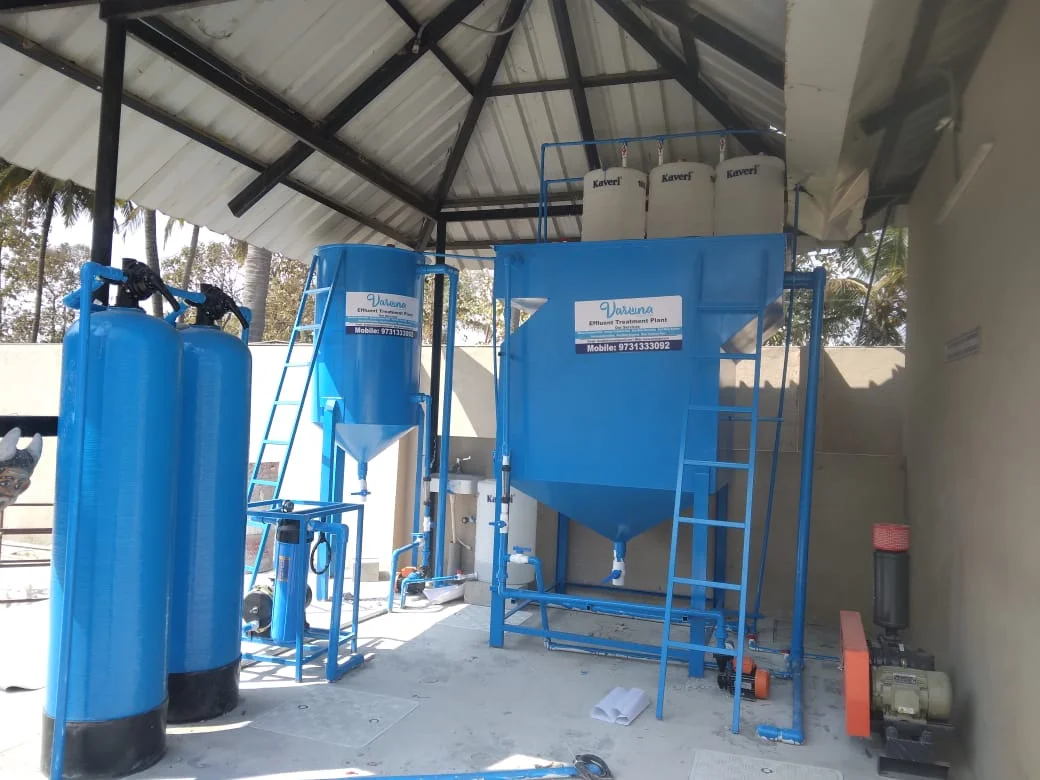
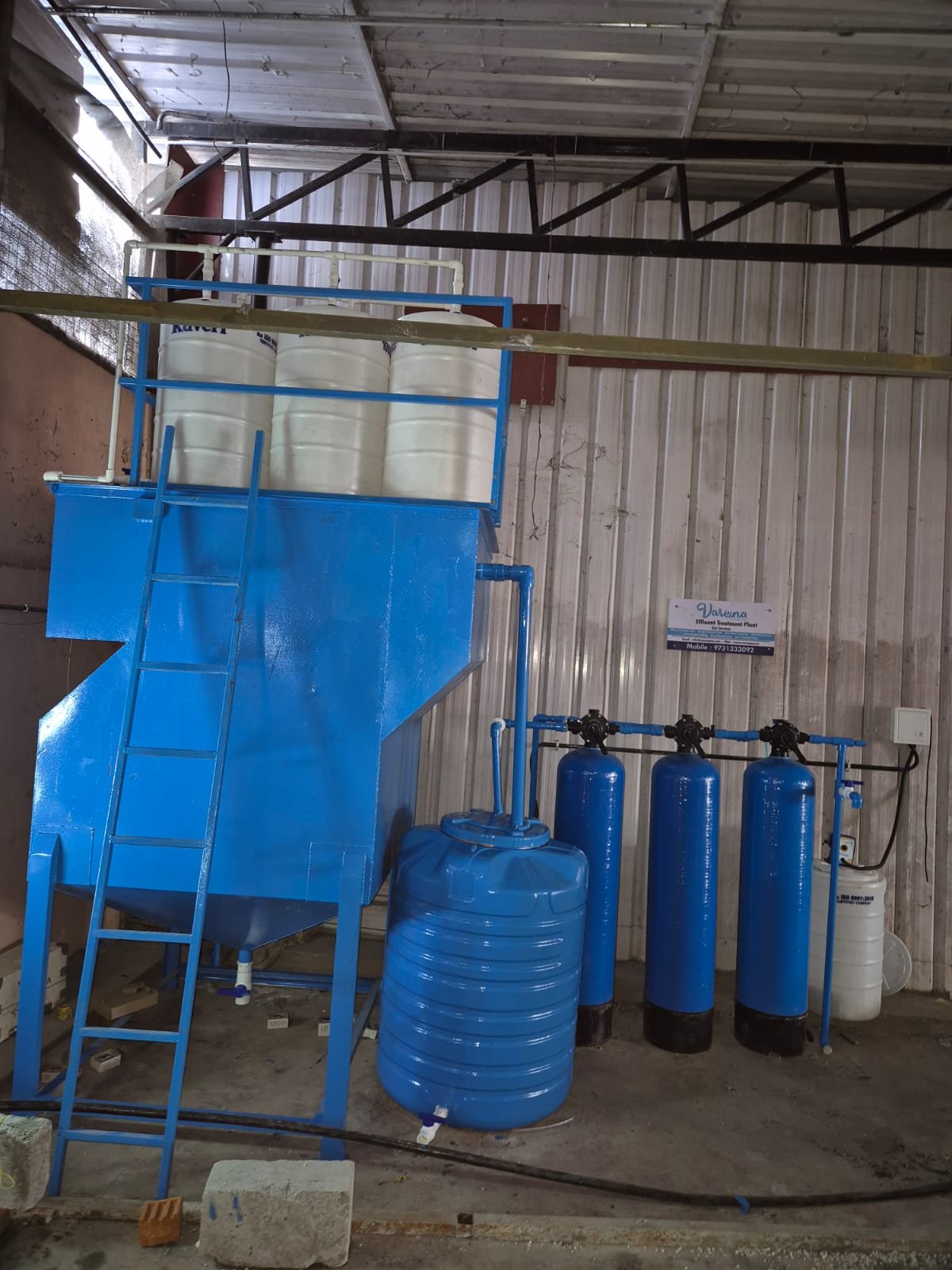
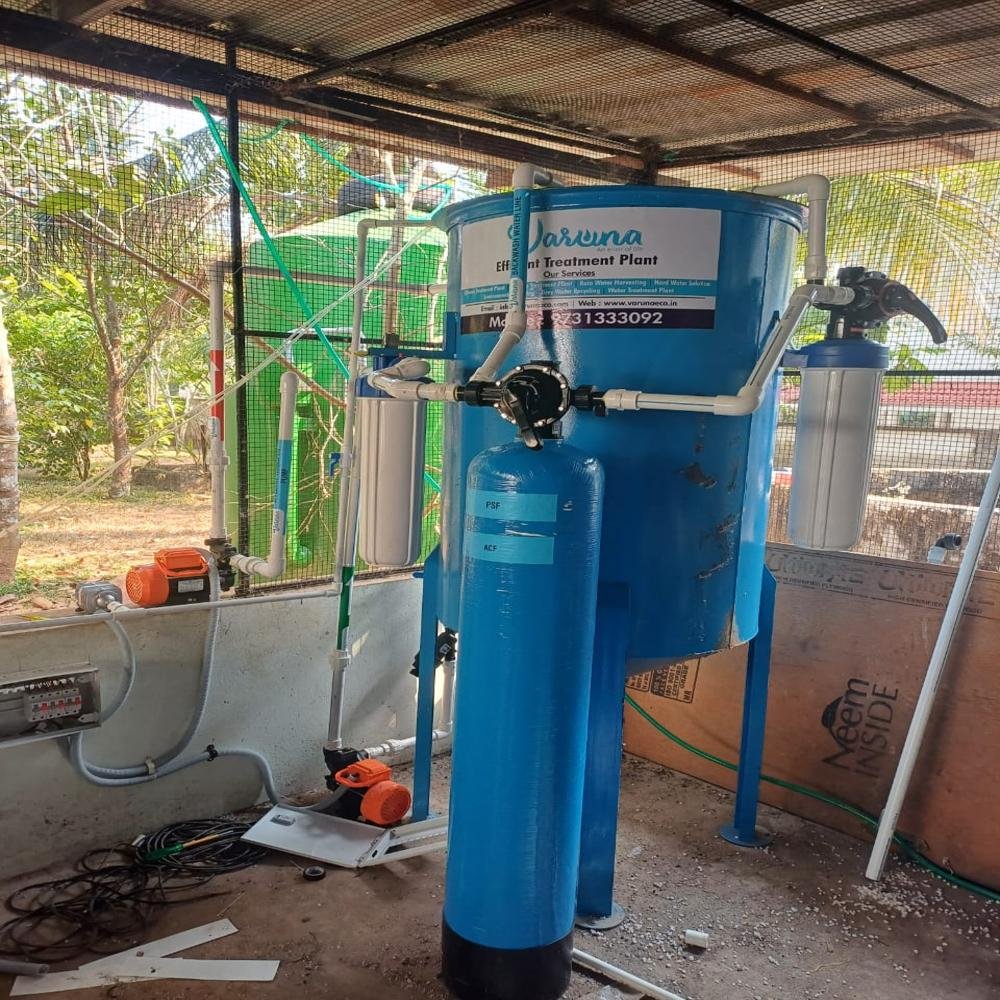
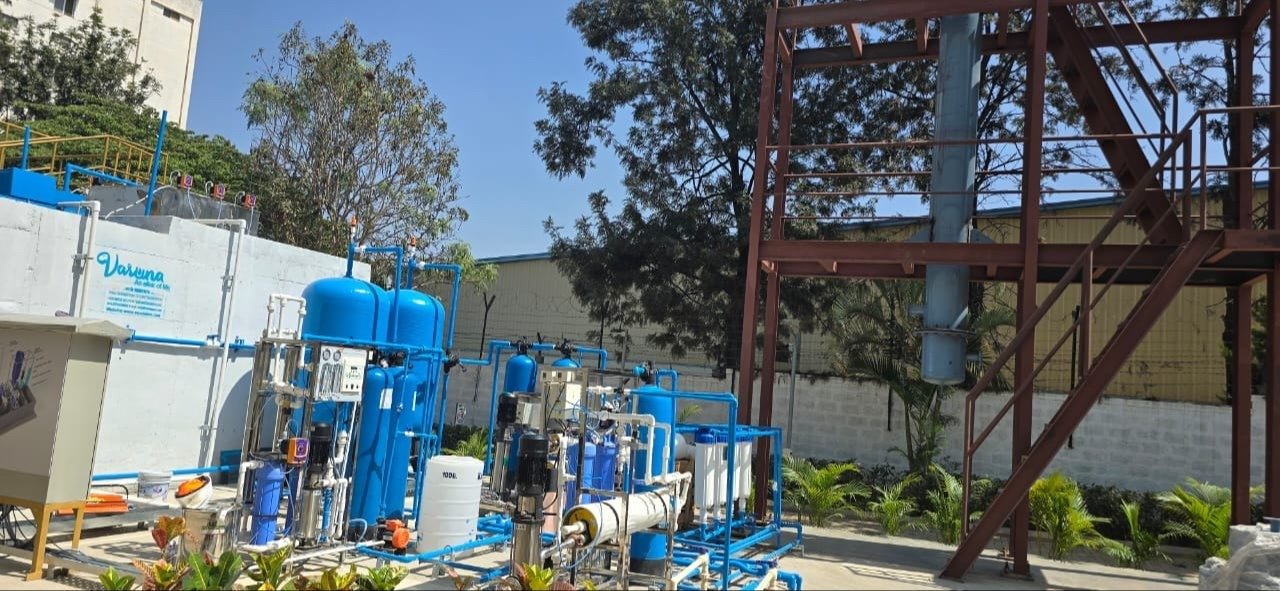
Varuna provides customized Effluent Treatment Plant (ETP) solutions for commercial laundries, industrial laundry units, hotels, hospitals, and institutional washing facilities. With treatment capacities starting from 5 KLD and above, our solutions are designed to address wastewater generated through washing, rinsing, and cleaning operations. Laundry wastewater can contain detergents, surfactants, suspended fibres, lint, oils, dirt, and varying levels of organic matter. Varuna develops treatment configurations according to wastewater characteristics, daily processing volume, site conditions, and intended treated-water use. Our solutions include options for compact and containerized Plug & Play installations, installation assistance, applicable PCB documentation support, and AMC-based operation and maintenance services. Request a Quote | Talk to Our Experts
Customized ETP Solutions for Commercial and Industrial Laundries
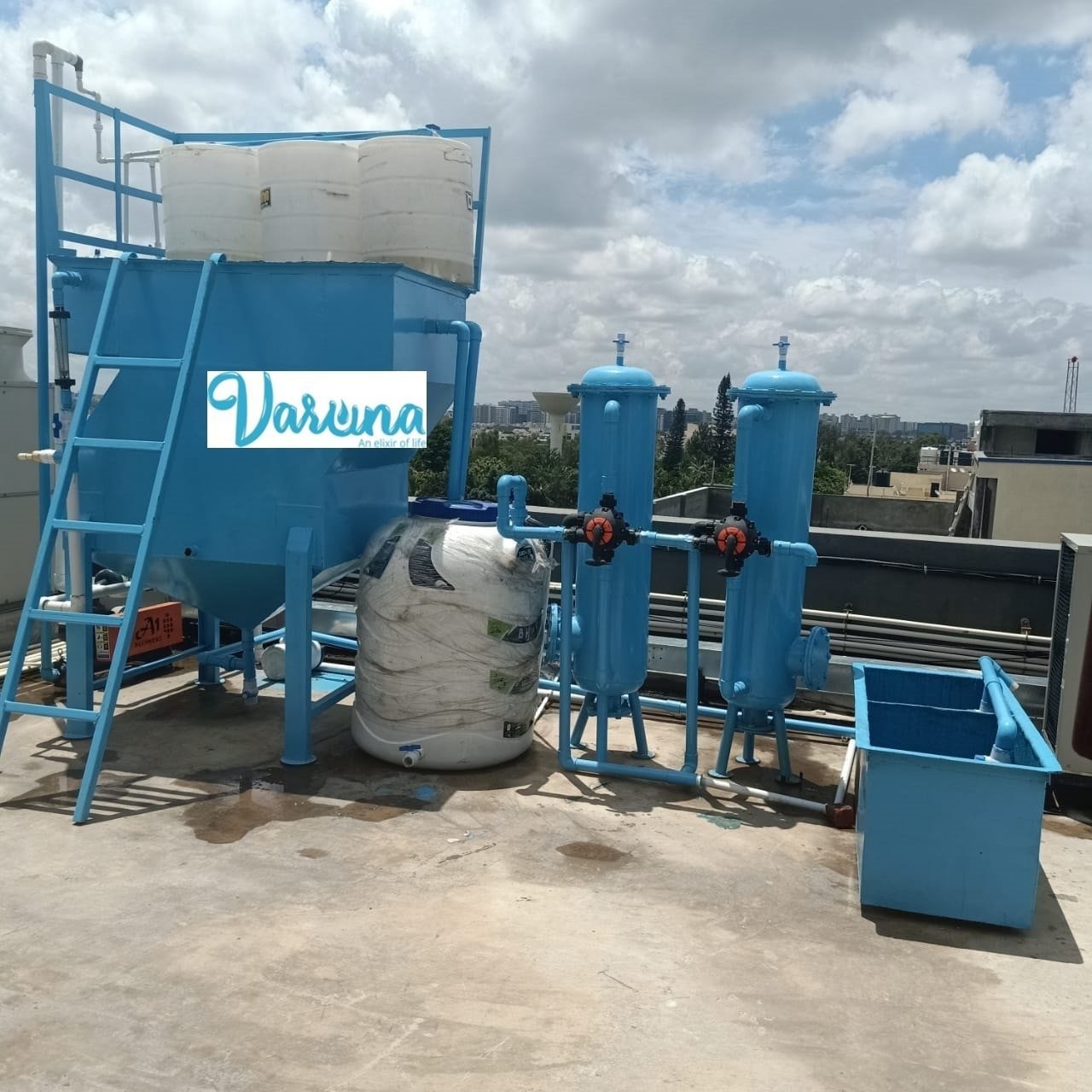
Laundry operations consume significant quantities of water and generate wastewater with varying chemical and physical characteristics. Effective treatment helps facilities manage wastewater responsibly and explore opportunities for suitable water reuse. Varuna's laundry ETP systems are designed according to washing processes, detergent usage, wastewater flow, and treatment objectives. Depending on the wastewater profile, treatment may include lint screening, equalization, pH adjustment, physical separation, biological treatment, and tertiary filtration. For facilities aiming to improve water efficiency, additional treatment stages can be considered to support compatible non-potable reuse applications.
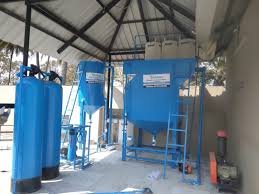
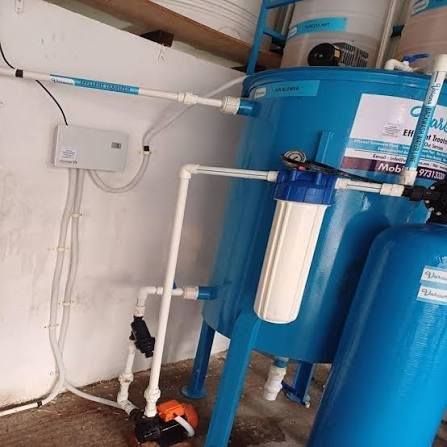
Laundry ETP Capacity Starting from 5 KLD
Varuna offers laundry wastewater treatment solutions starting from 5 KLD and above. The final plant capacity and configuration are determined by daily laundry throughput, water consumption, wastewater characteristics, peak flow, and required outlet quality.
Testimonials
What our customers says


Designed for Reliable Laundry Wastewater Treatment
Lint and Fibre Screening
Helps remove loose fibres, lint, and larger particles before downstream treatment.
Equalization and Flow Management
Helps manage variations in wastewater flow and pollutant concentration across washing cycles.
pH Adjustment
Can be incorporated where required to maintain suitable conditions for subsequent treatment stages.
Biological Treatment Options
Appropriate biological processes can help reduce biodegradable organic matter in wastewater.
Tertiary Filtration
Additional filtration and polishing processes can be selected according to the required treated-water quality.
Compact and Containerized Systems
Pre-engineered configurations are available for suitable facilities seeking space-efficient installation.
End-to-End Project Support
Installation assistance, applicable PCB documentation support, and AMC-based O&M services are available according to the agreed scope.
Multi-Stage Treatment for Laundry Wastewater
Preliminary Treatment
Screens help remove lint, fibres, and larger solids from incoming wastewater.
Equalization and pH Management
Wastewater can be equalized to manage fluctuations in flow and pollutant concentration, with pH correction where necessary.
Primary Treatment
Suitable physical or chemical processes may be used to reduce suspended particles and other removable contaminants.
Secondary Treatment
Biological treatment can help reduce biodegradable organic matter, depending on wastewater composition.
Tertiary Treatment
Filtration and additional polishing stages can be incorporated to achieve the required treated-water quality.
Customized Reuse Treatment
The final process design depends on detergent concentration, wastewater loading, reuse objectives, and applicable discharge requirements.
Practical Wastewater Management for Laundry Businesses
- Improved Effluent Quality: Treatment designed for lint, suspended solids, detergents, and organic matter.
- Water Reuse Opportunities: Explore suitable applications for treated water based on its achieved quality.
- Consistent Process Design: Account for changes in wastewater characteristics between washing cycles.
- Space-Efficient Installation: Consider containerized configurations where appropriate.
- Operational Assistance: Installation and maintenance support based on the agreed project scope.
- Responsible Wastewater Handling: Support appropriate treatment, sludge management, and discharge practices.
Laundry ETP Solutions Across Multiple Sectors
Commercial Laundries
For professional washing and garment-care facilities.
Hotels and Hospitality Facilities
For laundry operations serving guest rooms, restaurants, and housekeeping departments.
Hospitals and Healthcare Facilities
For institutional laundry wastewater, subject to assessment of the specific wastewater streams.
Industrial Laundry Units
For large-volume garment, linen, and textile washing operations.
Hostels and Educational Institutions
For centralized laundry facilities serving students and staff.
Uniform and Linen Processing Units
For facilities handling uniforms, workwear, linens, and other washable materials.
Why Choose Varuna?
Customized Solutions for Laundry Wastewater Treatment
- Capacity starting from 5 KLD: Solutions for a range of commercial and industrial requirements.
- Process-specific engineering: Treatment selected according to wastewater characteristics.
- Lint and fibre management: Preliminary treatment designed around laundry wastewater.
- Biological treatment options: Configurations selected according to biodegradable pollutant loading.
- Containerized installations: Available for suitable sites with space constraints.
- Installation and documentation support: Assistance according to project scope and regulatory requirements.
- AMC-based O&M: Maintenance options to support ongoing plant operation.
Frequently Asked Questions
Q1: What is a Laundry ETP?
A Laundry ETP treats wastewater from washing and rinsing operations to reduce contaminants such as suspended fibres, detergents, oils, and organic matter.
Q2: What is the minimum laundry ETP capacity offered by Varuna?
Varuna offers solutions starting from 5 KLD and above, subject to wastewater assessment and plant design.
Q3: Can laundry wastewater be recycled?
Yes, suitable treated water may be reused for compatible non-potable applications if the system achieves the required water quality.
Q4: Does laundry wastewater contain detergents and fibres?
Yes. It commonly contains detergents, surfactants, lint, fibres, dirt, suspended solids, and other process-dependent contaminants.
Q5: Can the treatment plant handle fluctuating wastewater flow?
The design can incorporate equalization and other suitable measures to manage variations in flow and pollutant concentration.
Q6: Does Varuna offer installation and maintenance support?
Installation assistance, applicable PCB documentation support, and AMC-based O&M services are available according to the agreed scope.
Q7: How is the right laundry ETP capacity determined?
Capacity depends on laundry throughput, water consumption, daily wastewater generation, peak flow, pollutant concentration, and intended reuse or discharge requirements.
Looking for a Laundry ETP Solution?
Varuna provides customized laundry wastewater treatment solutions starting from 5 KLD to support responsible water management in commercial and industrial laundry facilities.
Request a Quote | Discuss Your Project
ETP, STP, DM and RO
Implemented 2,000+ Projects in 15+ Countries
Varuna Wastewater Technology is one of India's fastest growing water and wastewater treatment companies.

Contact Us
Request a quote for
your work
Manufactures, Supplier & Exporter of wastewater treatment plant like
Effluent Treatment Plant (ETP)
Sewage Treatment Plant (STP)
Industrial DM+RO
Effluent Treatment Plant (ETP)
Sewage Treatment Plant (STP)
Industrial DM+RO
<>
Explore Our Services