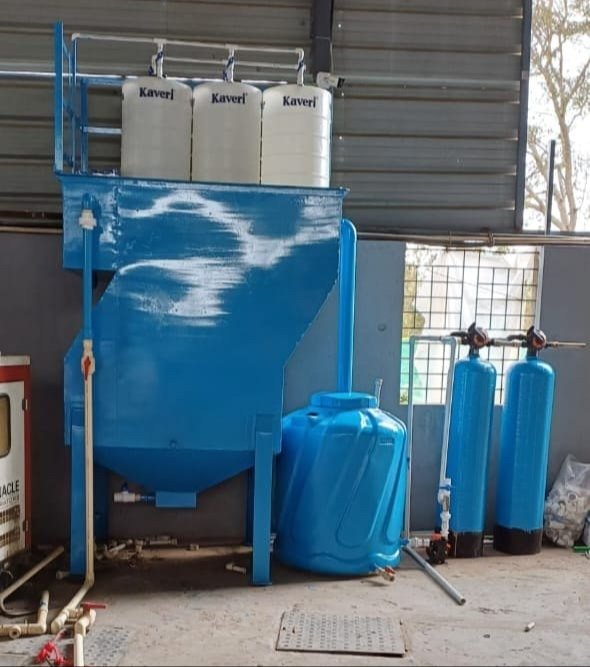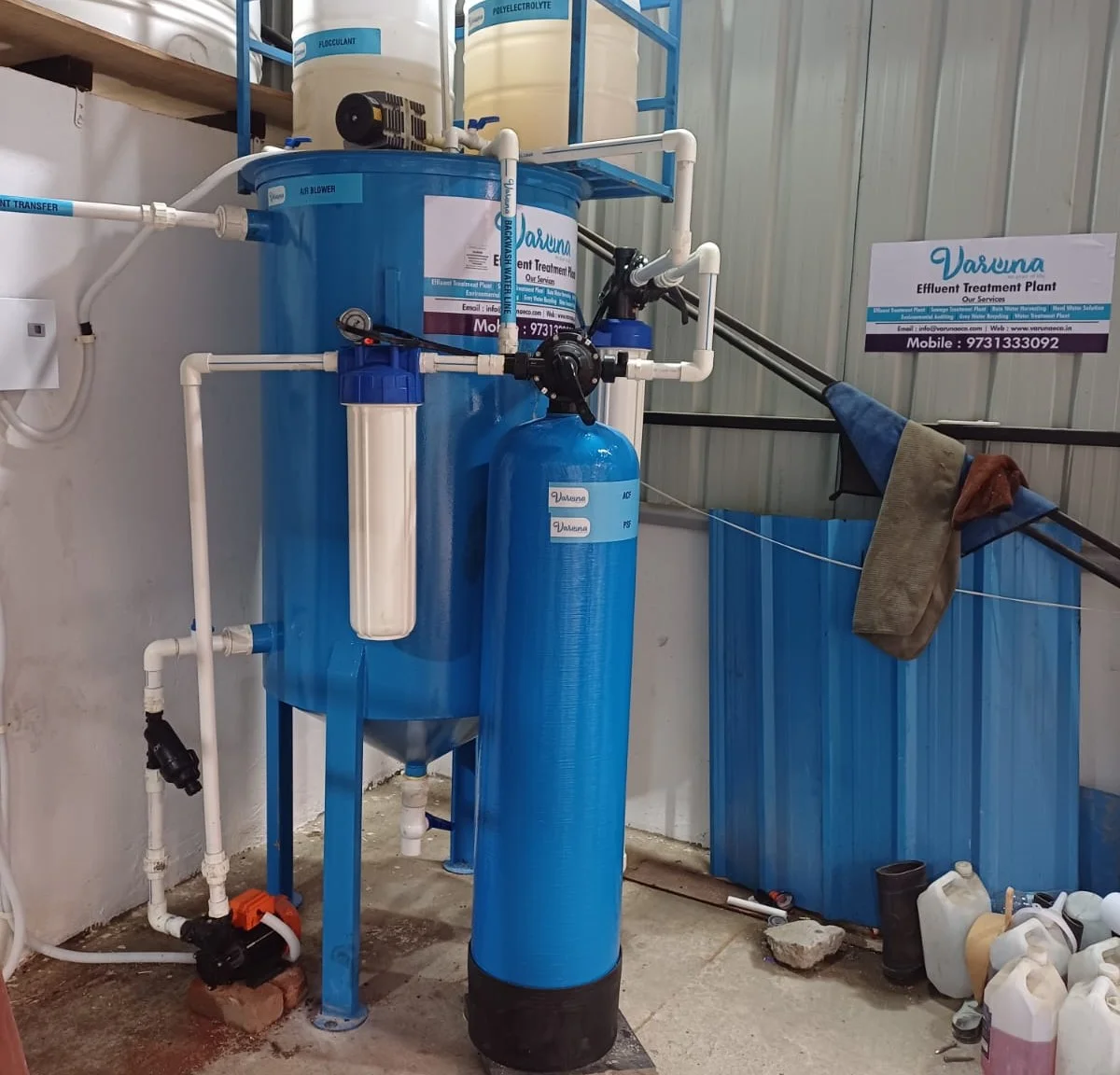
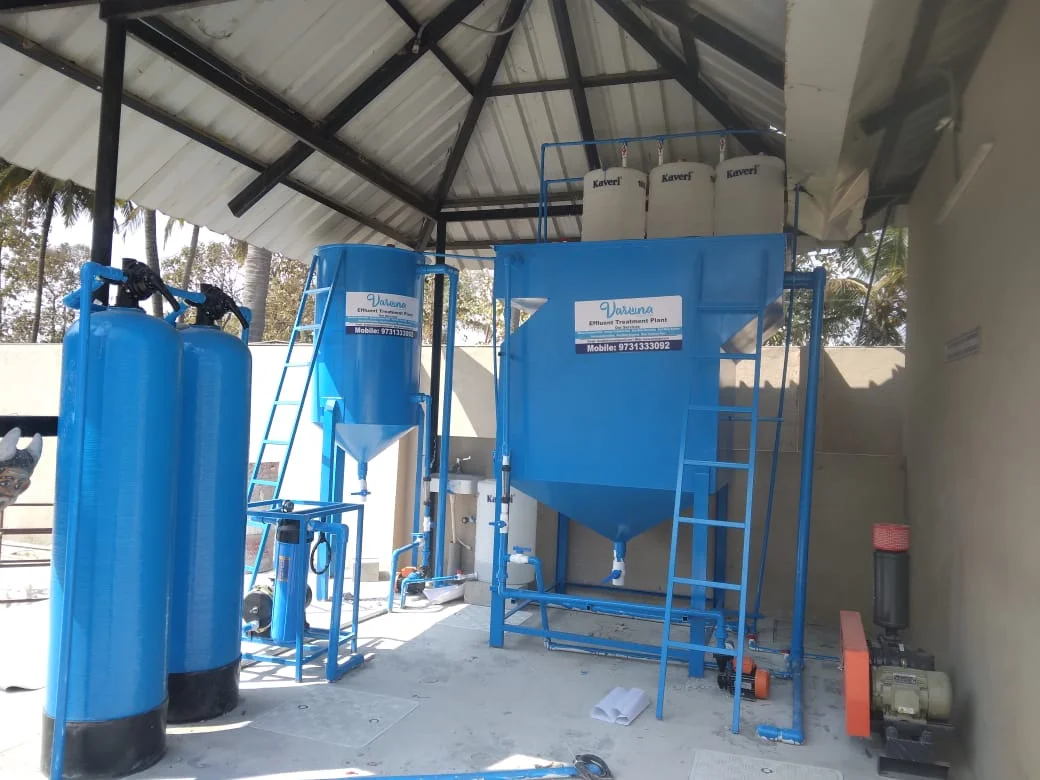
Slaughter House Effluent Treatment Plant (ETP)
Varuna offers customized Slaughter House ETP solutions starting from 5 KLD for slaughterhouses and meat processing facilities, with solids removal, grease separation, biological treatment, and O&M support.
Specialized Wastewater Treatment Solutions for Slaughter Houses
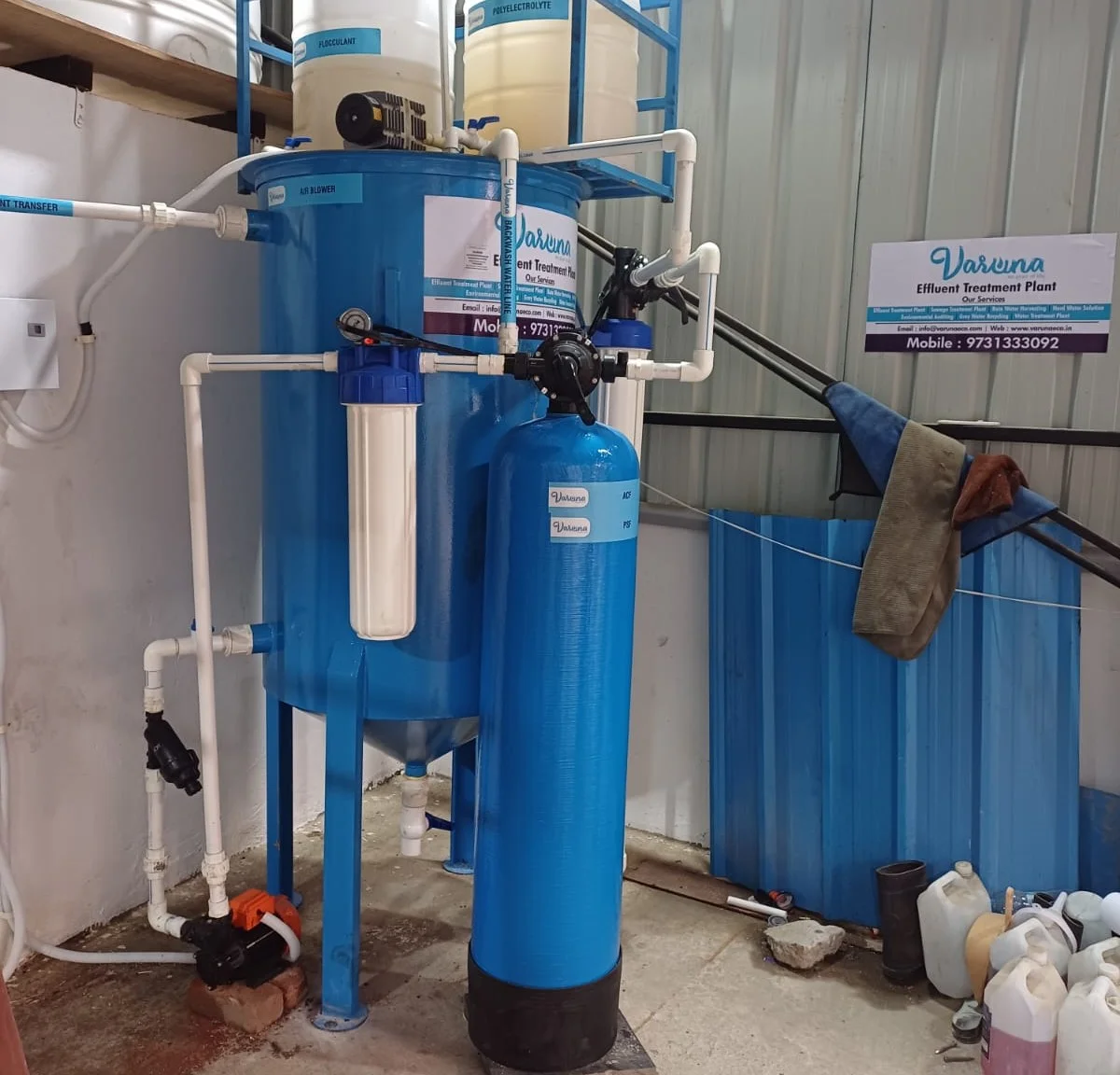
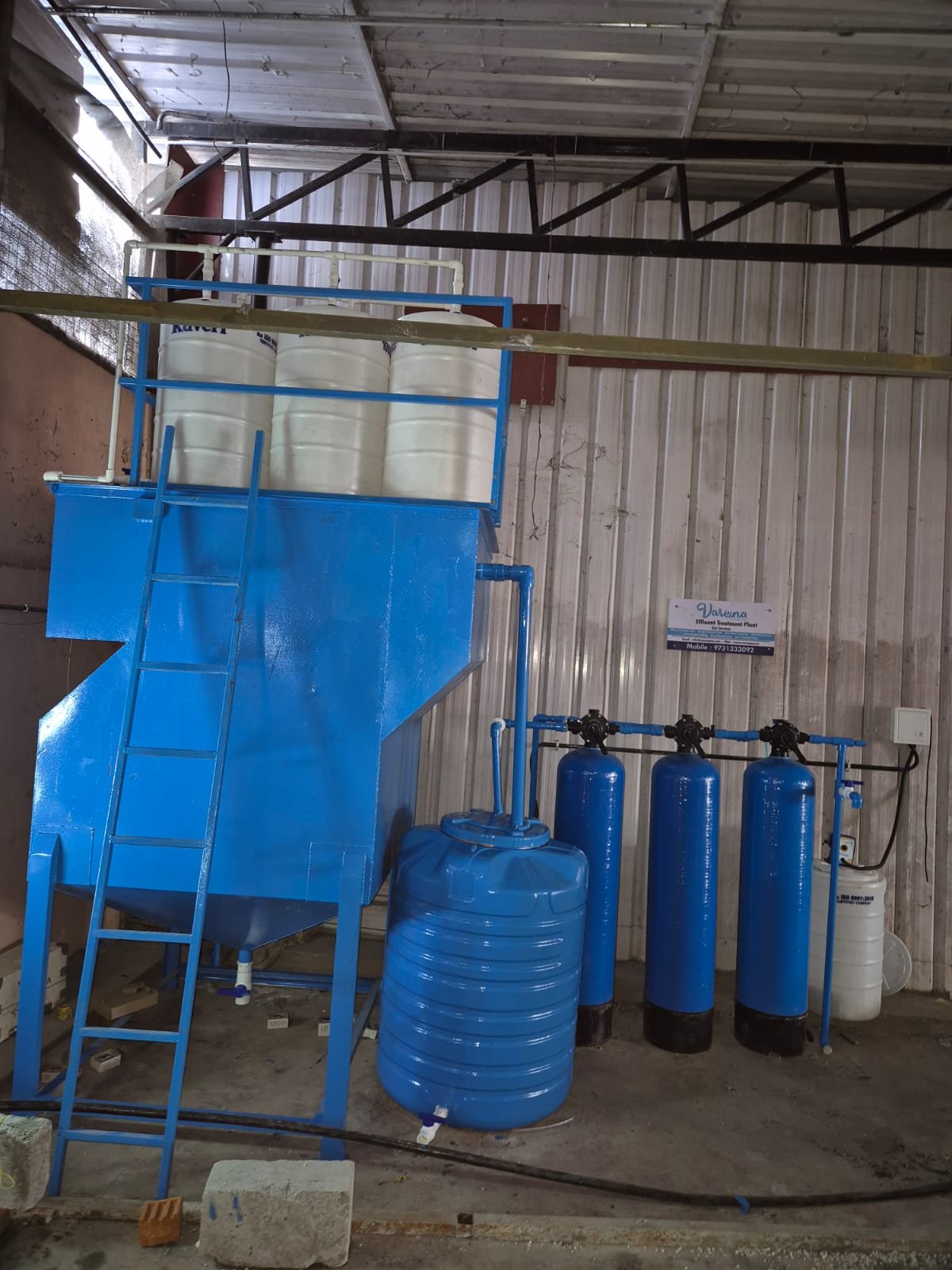
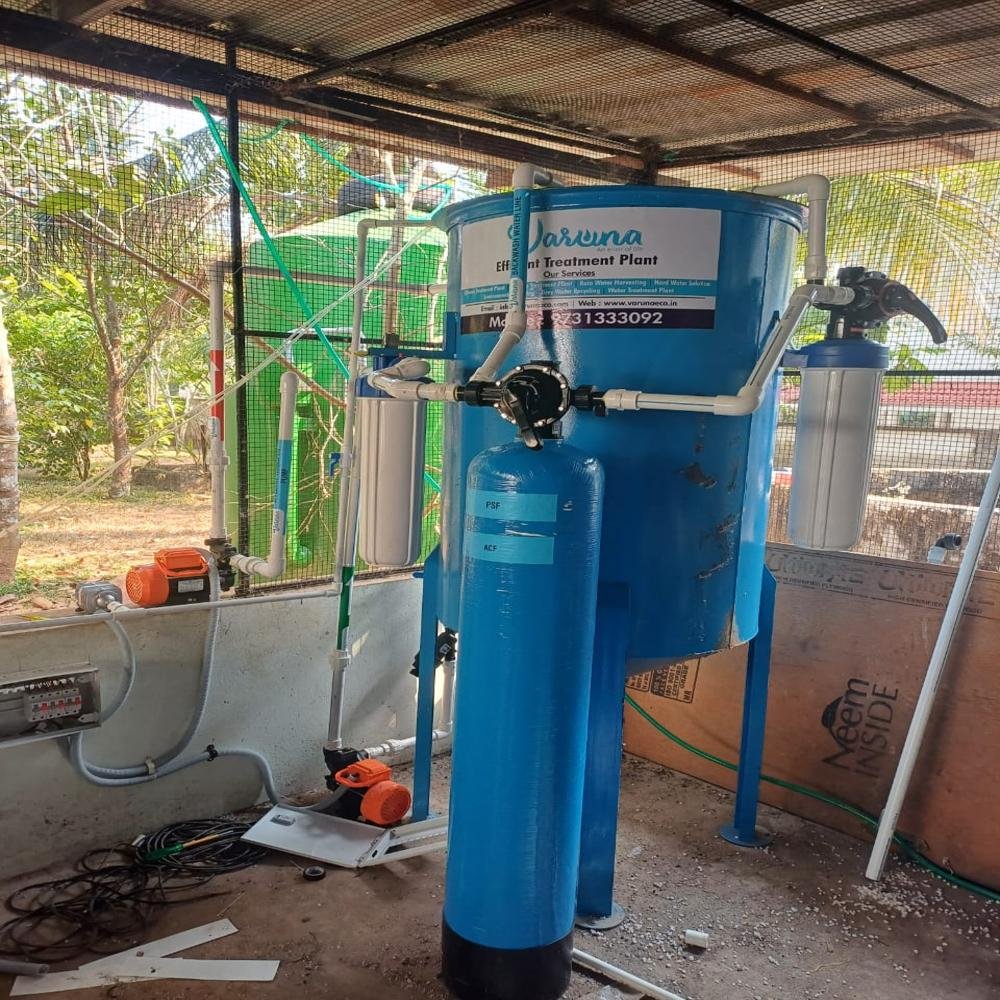
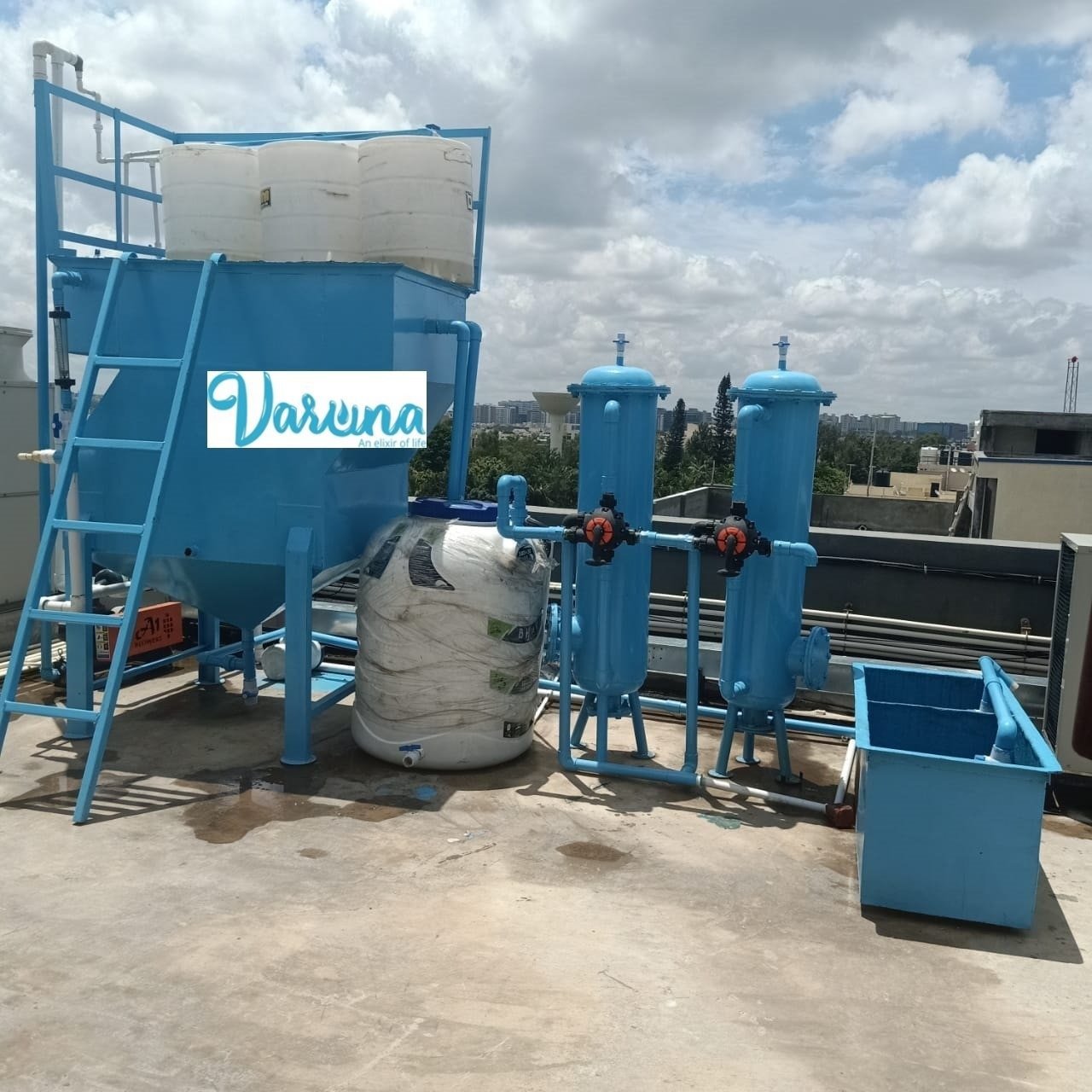
Varuna provides customized Effluent Treatment Plant (ETP) solutions for slaughter houses, meat processing facilities, poultry processing units, and related food processing operations. With treatment capacities starting from 5 KLD and above, our solutions are designed around the wastewater characteristics and operational requirements of each facility. Slaughter house wastewater can contain blood, fats, oils, grease, suspended solids, organic matter, and other process-related contaminants. Varuna develops treatment configurations based on wastewater analysis, daily processing capacity, water consumption, available space, and applicable discharge requirements. Our solutions can incorporate suitable preliminary, physicochemical, biological, and tertiary treatment processes, along with containerized options for appropriate projects. Installation assistance, applicable PCB documentation support, and AMC-based operation and maintenance services are available according to the agreed project scope. Request a Quote | Talk to Our Experts
Customized ETP Solutions for Meat Processing Facilities
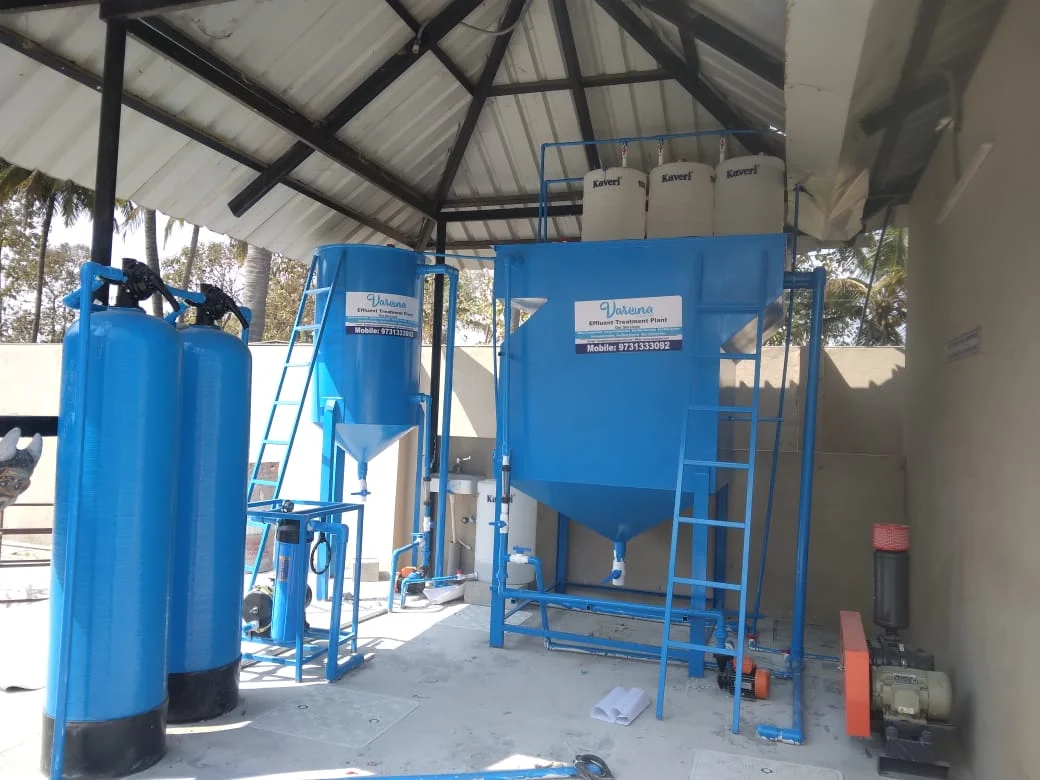
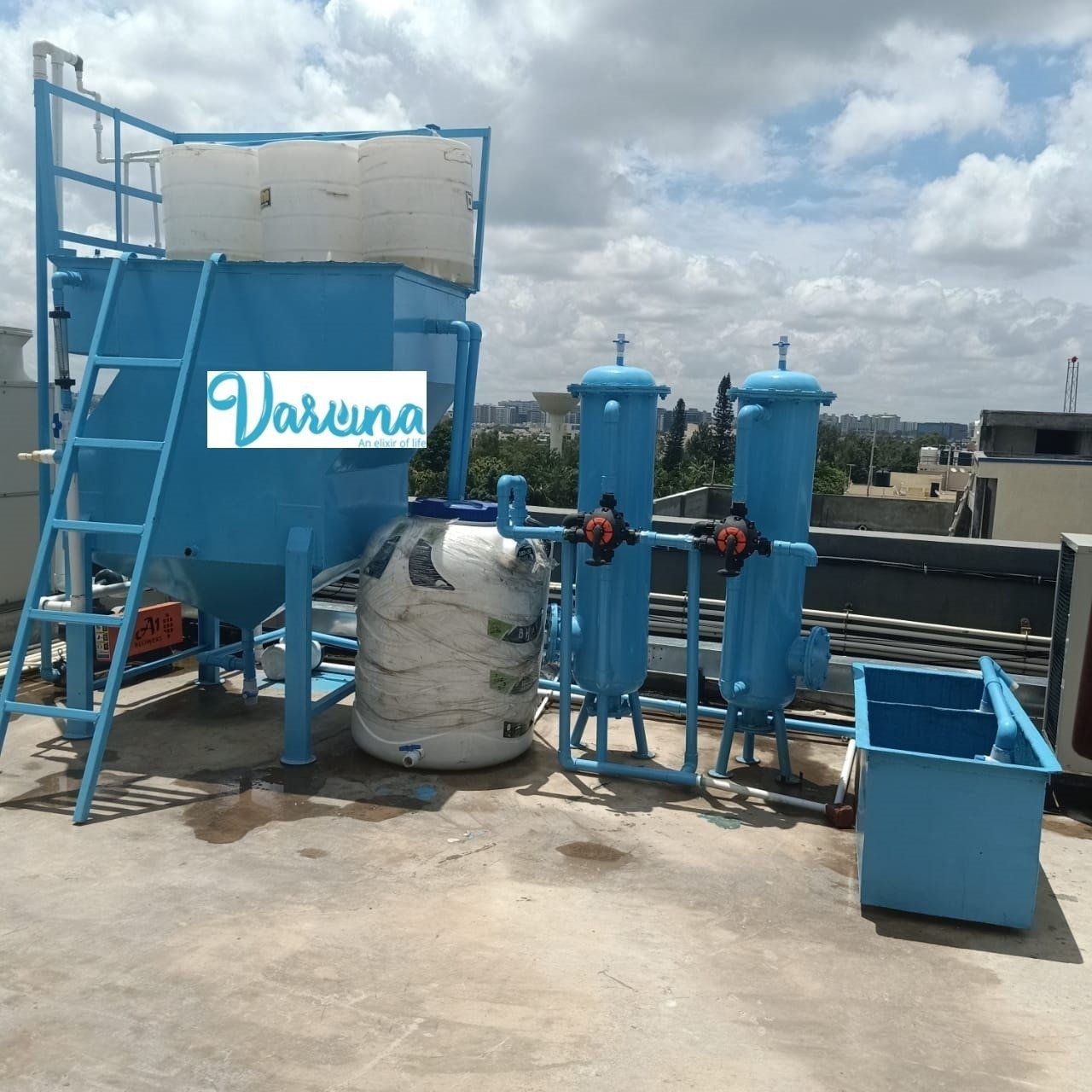
Slaughter house operations generate wastewater during animal washing, slaughtering, floor cleaning, equipment washing, and meat processing. The wastewater may have high organic loading and contain fats, blood, tissue particles, and other contaminants that require appropriate treatment. Varuna designs slaughter house ETP systems according to the type of processing, wastewater volume, organic loading, solids content, and required treated-water quality. Depending on the wastewater characteristics, treatment may include screening, solids separation, fat and grease removal, equalization, physicochemical treatment, biological treatment, and disinfection or tertiary polishing where required. Effective preliminary treatment and appropriate handling of screenings and sludge are important considerations in the overall plant design.
Slaughter House ETP Capacity Starting from 5 KLD
Varuna offers slaughter house and meat processing wastewater treatment solutions starting from 5 KLD and above. The appropriate capacity is determined by daily wastewater generation, processing schedules, peak flow, pollutant loading, and applicable discharge or reuse requirements.
Testimonials
What our customers says


Engineered for High-Organic-Load Wastewater
Screening and Solid Waste Separation
Helps remove suspended tissue particles, debris, and larger solids before downstream treatment.
Fat, Oil and Grease Removal
Suitable separation arrangements help remove fats and grease that can interfere with subsequent treatment processes.
Equalization and Flow Management
Helps manage variations in wastewater flow and pollutant concentration during different processing and cleaning cycles.
Physicochemical Treatment
Appropriate processes can help reduce suspended solids and other removable contaminants.
Biological Treatment Options
Suitable biological treatment can reduce biodegradable organic matter when designed for the wastewater loading.
Disinfection and Tertiary Treatment
Additional treatment may be incorporated according to the intended treated-water use and applicable requirements.
End-to-End Project Support
Installation assistance, applicable PCB documentation support, and AMC-based O&M services are available according to the agreed project scope.
Multi-Stage Treatment for Slaughter House Effluent
Preliminary Treatment
Screening removes larger solids and particles, helping protect downstream treatment equipment.
Fat and Grease Separation
Suitable separation systems help reduce fats, oils, and grease before subsequent treatment stages.
Equalization
An equalization tank helps balance flow and wastewater loading, supporting more consistent downstream treatment.
Primary Physicochemical Treatment
Appropriate physical or chemical processes may be used to reduce suspended solids and other removable pollutants.
Secondary Biological Treatment
Biological treatment helps reduce biodegradable organic matter, with process selection based on wastewater characteristics and loading.
Tertiary Treatment and Disinfection
Additional filtration, polishing, or disinfection can be incorporated where required to achieve the intended treated-water quality.
Sludge and Residuals Management
Screenings, separated solids, fats, and treatment sludge require appropriate handling and disposal according to their characteristics and applicable requirements.
The final treatment process is selected after assessing wastewater composition, organic loading, daily flow, and the applicable discharge or reuse standards.
Practical Wastewater Management for Slaughter Houses
- High-Organic-Load Treatment: Process configurations designed for wastewater with significant organic contamination.
- Solids and Fat Removal: Preliminary treatment options to reduce solids, fats, and grease entering downstream stages.
- Process-Specific Engineering: Designs based on slaughtering, washing, cleaning, and meat processing operations.
- Improved Treatment Stability: Equalization and appropriate process selection help manage variable wastewater loading.
- Responsible Residuals Handling: Consideration of screenings, separated fats, and treatment sludge.
- Space-Efficient Options: Containerized configurations for suitable projects.
- Ongoing Technical Support: Installation assistance and AMC-based maintenance options according to the agreed scope.
Slaughter House ETP Solutions Across Multiple Applications
Slaughter Houses
For wastewater generated during slaughtering, washing, and cleaning operations.
Meat Processing Plants
For effluent generated through meat preparation, processing, and equipment cleaning.
Poultry Processing Facilities
For wastewater from suitable poultry processing and washing operations.
Abattoirs
For facilities requiring organized treatment of process wastewater.
Meat Cutting and Packaging Units
For wastewater generated through washing, cleaning, and related processing activities.
Integrated Food Processing Facilities
For suitable facilities with compatible wastewater streams requiring centralized treatment.
Why Choose Varuna?
Customized Solutions for Slaughter House Wastewater
- Capacity starting from 5 KLD: Solutions for suitable small, medium, and large facilities.
- High-organic-load treatment design: Configurations based on actual wastewater characteristics.
- Solids and grease management: Appropriate preliminary treatment options.
- Biological treatment solutions: Process selection according to organic loading and treatment objectives.
- Customized plant configuration: Designed around facility operations, site conditions, and outlet requirements.
- Installation assistance: Support during installation and commissioning, as agreed.
- PCB documentation support: Assistance with applicable documentation requirements.
- AMC-based O&M: Maintenance options based on plant configuration and agreed scope.
Frequently Asked Questions
Q1: What is a Slaughter House ETP?
A Slaughter House ETP treats wastewater generated during slaughtering, meat processing, washing, and cleaning to reduce organic matter, suspended solids, fats, and other contaminants.
Q2: What is the minimum capacity offered by Varuna?
Varuna offers slaughter house ETP solutions starting from 5 KLD and above, subject to technical assessment.
Q3: Why does slaughter house wastewater require specialized treatment?
It can contain high concentrations of biodegradable organic matter, blood, fats, grease, and suspended solids. The treatment system must be designed around these characteristics.
Q4: Can the ETP remove blood, fats, and suspended solids?
Appropriate screening, separation, physicochemical, and biological processes can help reduce these contaminants. The exact treatment sequence depends on wastewater analysis.
Q5: Is biological treatment suitable for slaughter house wastewater?
Biological treatment can be suitable for reducing biodegradable organic matter, provided the wastewater is appropriately pretreated and the process is designed for the actual loading.
Q6: Can treated water be reused?
Reuse may be possible for compatible non-potable applications if the treated water meets the required quality and applicable standards.
Q7: How is the right ETP capacity determined?
Capacity depends on processing volume, water consumption, daily wastewater generation, peak flow, organic loading, and discharge or reuse requirements.
Looking for a Slaughter House ETP Solution?
Varuna provides customized slaughter house wastewater treatment solutions starting from 5 KLD, designed around facility operations, wastewater characteristics, and treatment requirements.
Request a Quote | Discuss Your Project
ETP, STP, DM and RO
Implemented 2,000+ Projects in 15+ Countries
Varuna Wastewater Technology is one of India's fastest growing water and wastewater treatment companies.

Contact Us
Request a quote for
your work
Manufactures, Supplier & Exporter of wastewater treatment plant like
Effluent Treatment Plant (ETP)
Sewage Treatment Plant (STP)
Industrial DM+RO
Effluent Treatment Plant (ETP)
Sewage Treatment Plant (STP)
Industrial DM+RO
<>
Explore Our Services