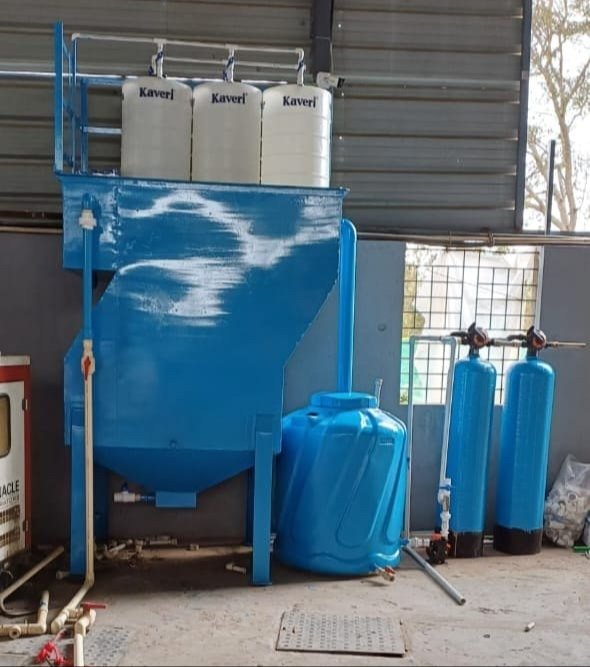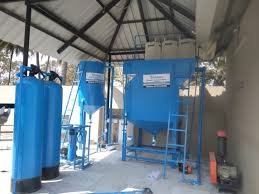
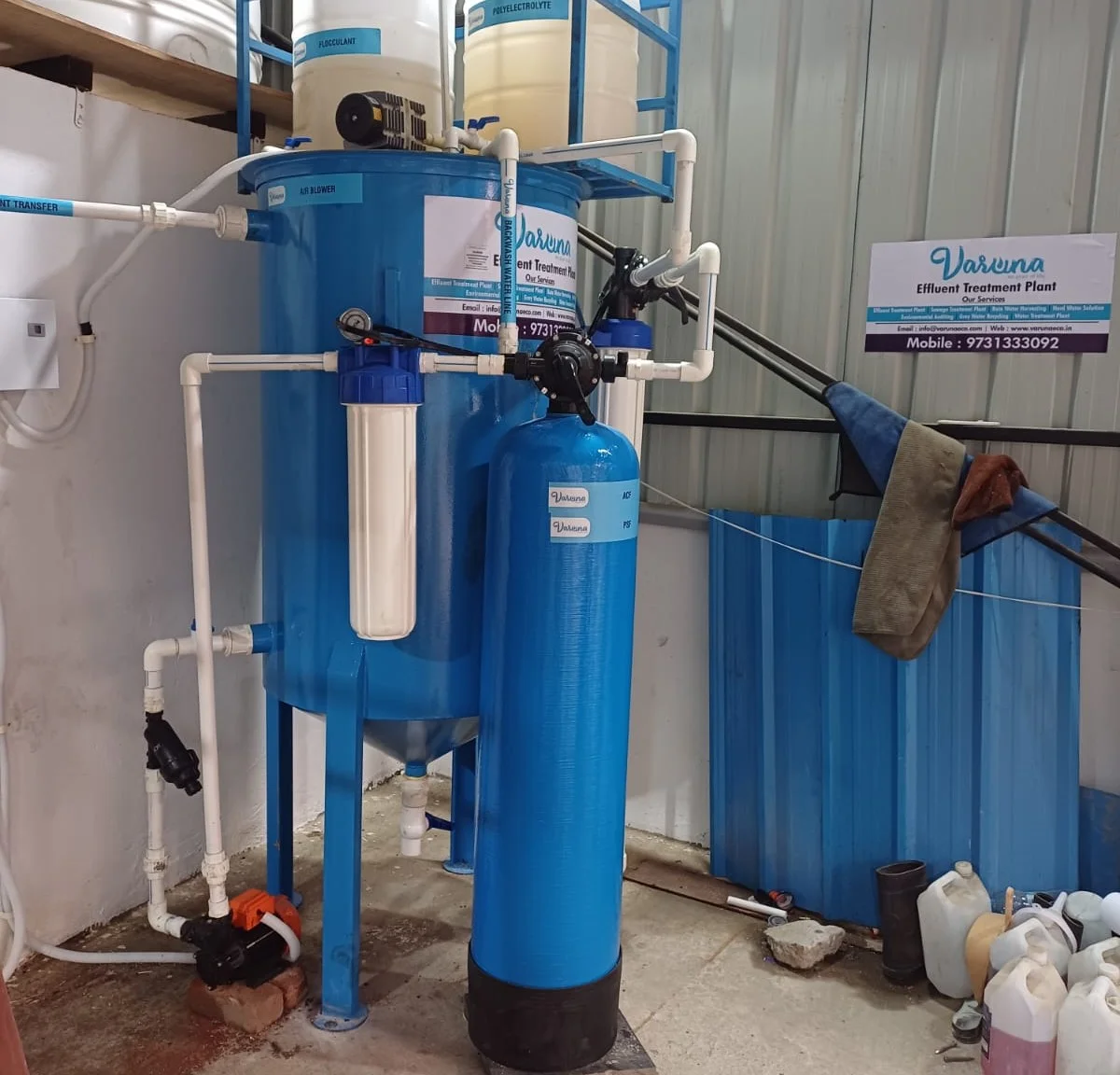
Laboratory Effluent Treatment Plant (ETP)
Varuna offers customized Laboratory ETP solutions starting from 0.5 KLD for research centres, testing facilities, educational institutions, and industrial laboratories, with chemical-specific treatment and O&M support.
Customized Wastewater Treatment Solutions for Laboratories
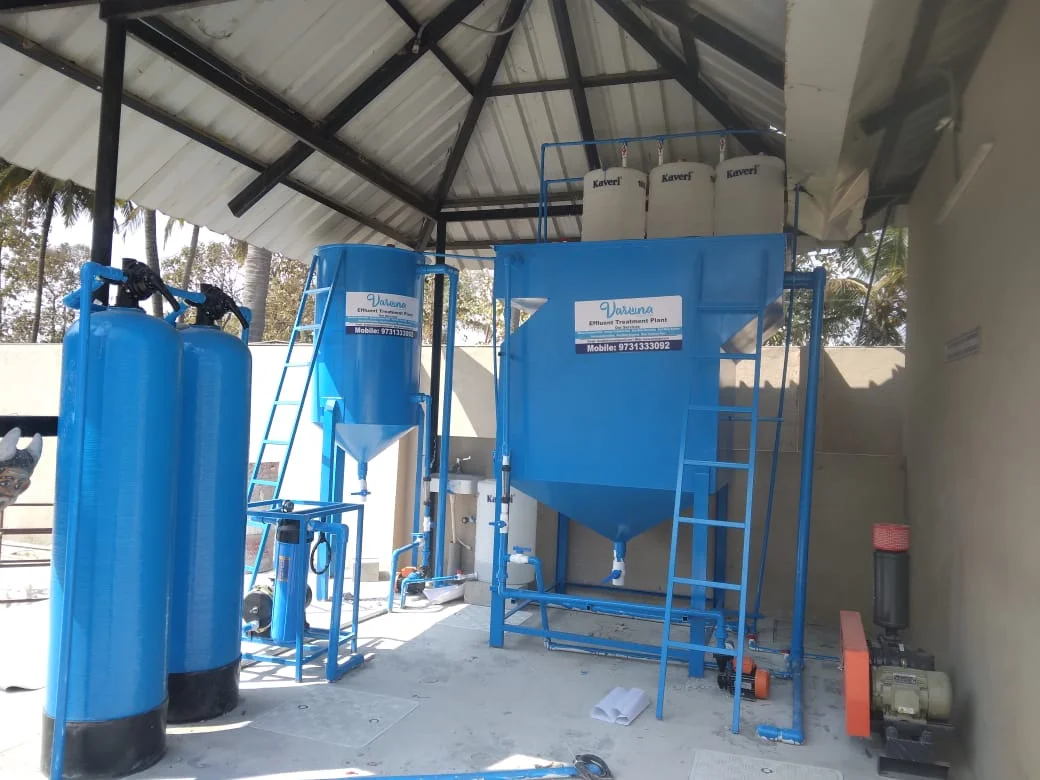
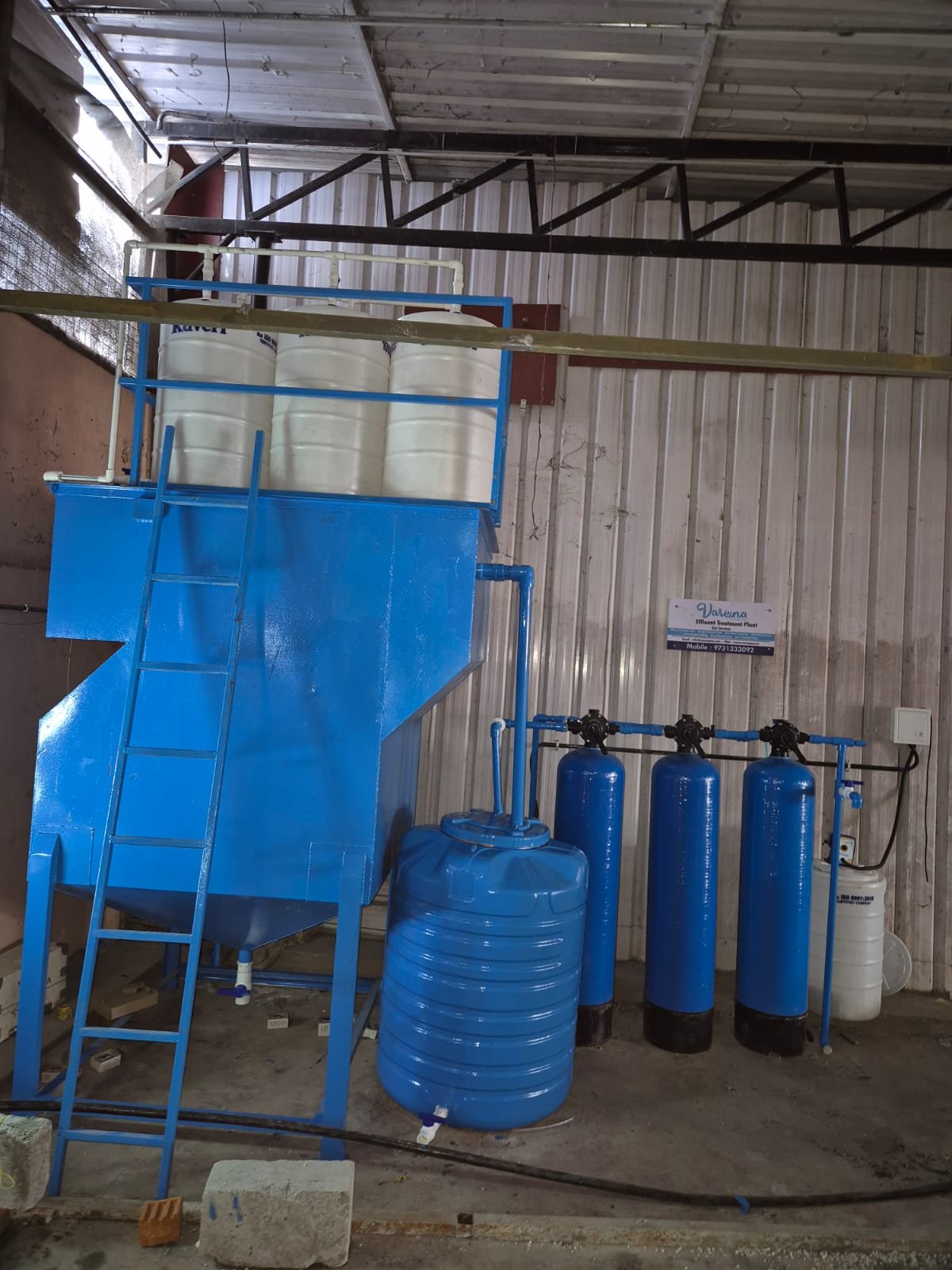
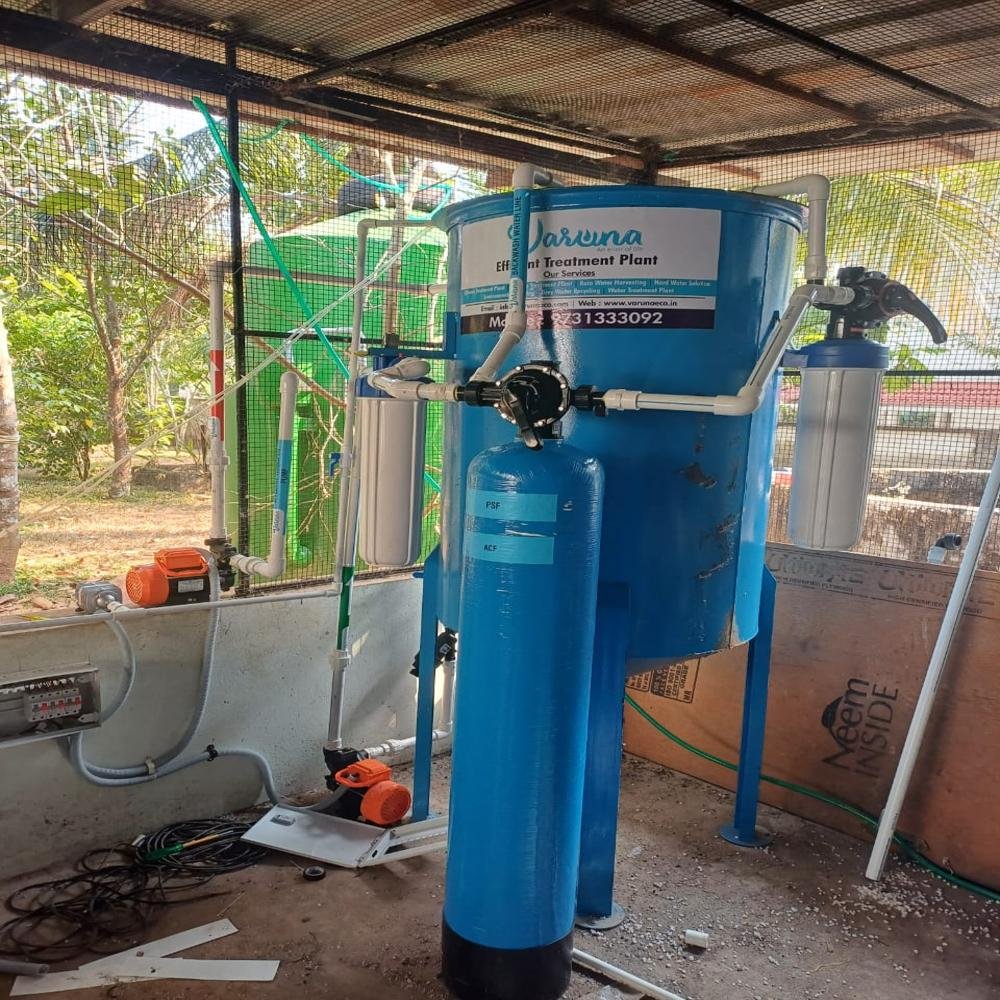
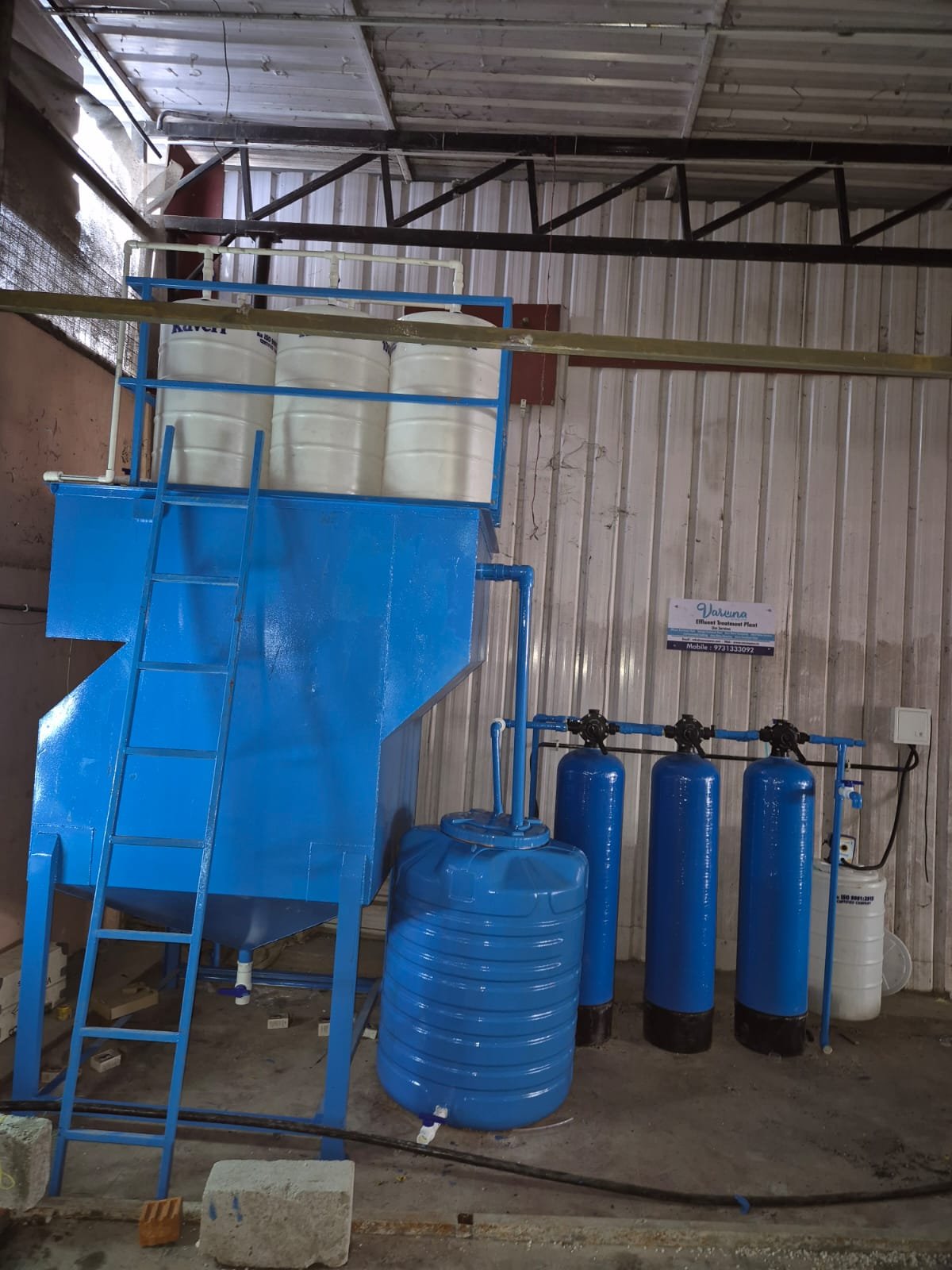
Varuna provides specialized Effluent Treatment Plant (ETP) solutions for laboratories, research facilities, educational institutions, testing centres, and selected healthcare and industrial laboratory applications. With treatment capacities starting from 0.5 KLD and above, our solutions are designed around the type, volume, and characteristics of laboratory wastewater. Laboratory effluent can vary significantly depending on the tests, experiments, cleaning procedures, and chemicals used. Depending on the facility, wastewater may contain acids, alkalis, solvents, reagents, suspended particles, organic compounds, or other process-specific contaminants. Varuna develops treatment configurations based on wastewater assessment, segregation requirements, daily flow, site conditions, and applicable discharge standards. Installation assistance, applicable PCB documentation support, and AMC-based operation and maintenance services are available according to the agreed project scope. Request a Quote | Talk to Our Experts
Specialized ETP Solutions for Laboratory Wastewater
Laboratory wastewater requires careful evaluation because its composition can vary between departments, testing procedures, and experimental processes. Appropriate treatment depends on identifying the contaminants present and determining whether individual wastewater streams require separate handling. Varuna designs laboratory ETP solutions according to wastewater characteristics, chemical composition, pH, flow rate, and required treated-water quality. Depending on the assessment, treatment may incorporate screening, equalization, pH correction, chemical precipitation, adsorption, filtration, or other suitable processes. Biological treatment may be considered only where the wastewater characteristics make it appropriate. Hazardous chemical waste, concentrated reagents, incompatible chemical streams, and solvent waste may require separate collection and specialized management rather than discharge into a conventional ETP.
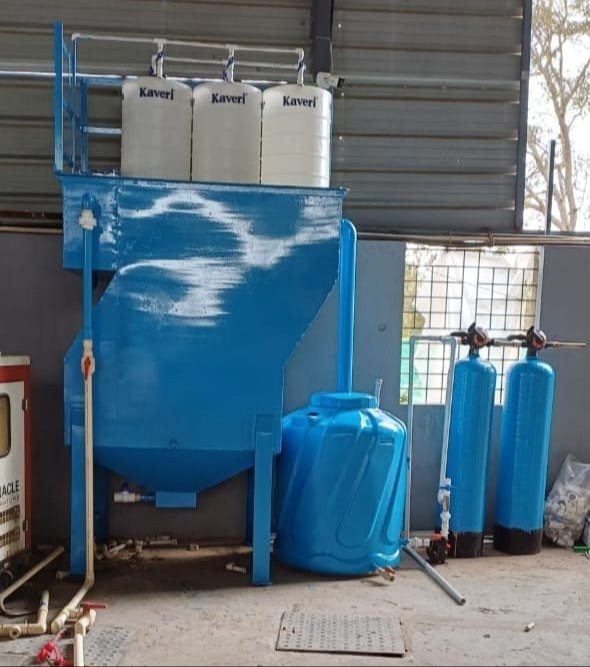
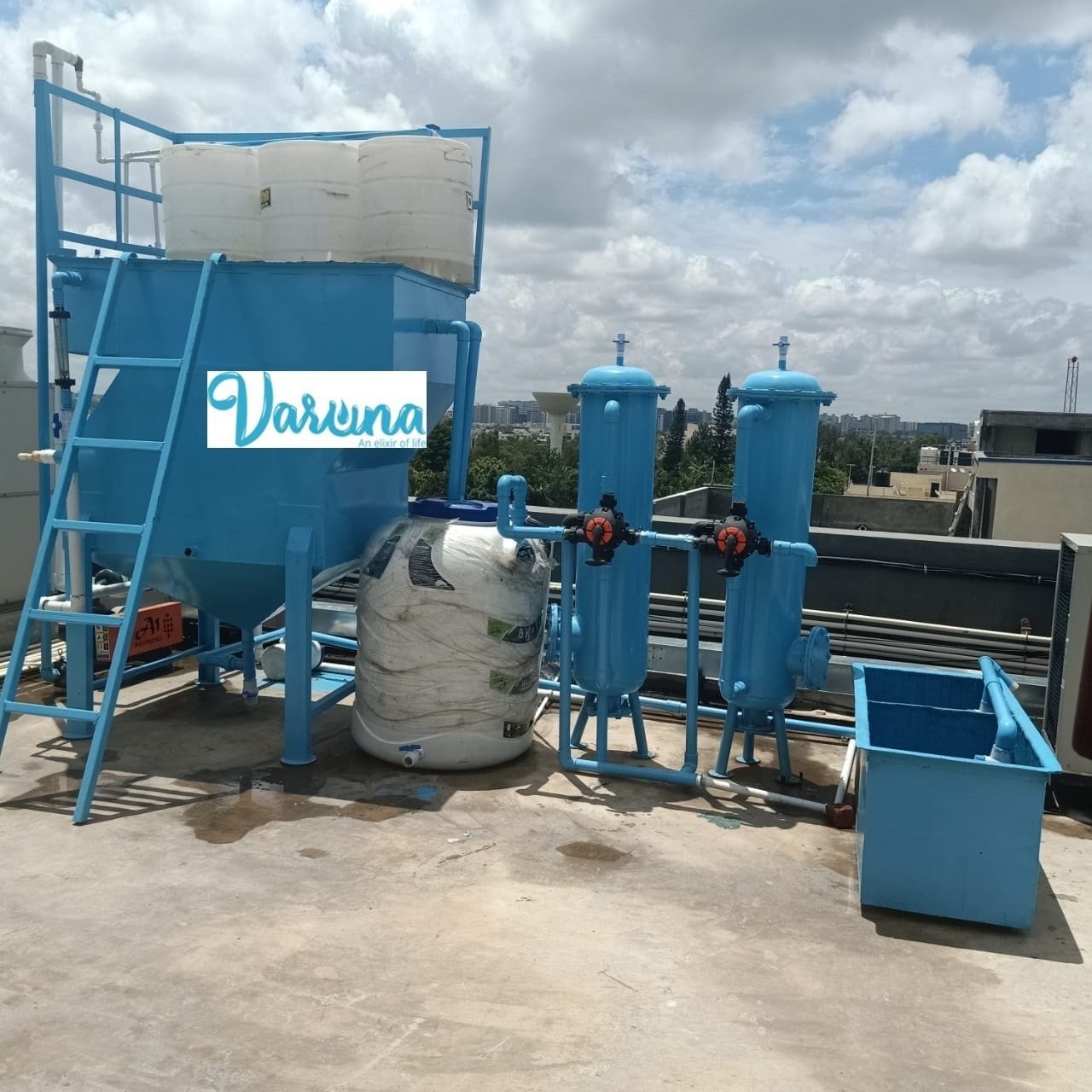
Laboratory ETP Capacity Starting from 0.5 KLD
Varuna offers laboratory wastewater treatment solutions starting from 0.5 KLD and above. The appropriate capacity and treatment process are determined through wastewater assessment, daily flow estimation, contaminant identification, and applicable regulatory requirements.
Testimonials
What our customers says


Designed for Variable Laboratory Effluent Characteristics
Wastewater Characterization
Assessment of wastewater sources and relevant parameters helps determine suitable treatment processes.
Equalization and Flow Management
Where appropriate, equalization helps manage variations in flow and pollutant concentration.
pH Adjustment
Suitable neutralization systems can be incorporated where acidic or alkaline wastewater requires controlled pH correction.
Chemical Treatment Options
Processes such as chemical precipitation or other specialized treatment may be considered for identified contaminants.
Adsorption and Filtration
Suitable media and filtration systems can be selected to address specific wastewater constituents.
Customized Advanced Treatment
Additional processes may be required depending on the chemical composition and required outlet quality.
Safe Waste Stream Management
The system design should account for the separate collection and appropriate management of incompatible, concentrated, or hazardous laboratory waste.
End-to-End Project Support
Installation assistance, applicable PCB documentation support, and AMC-based O&M services are available according to the agreed project scope.
TITLE 5: Multi-Stage Treatment for Laboratory Wastewater
Wastewater Assessment and Segregation
Identify wastewater sources and distinguish streams that can be treated together from those requiring separate collection and handling.
Preliminary Treatment
Suitable screening or other preliminary processes may be used to remove removable solids.
Equalization and pH Correction
Where appropriate, equalization and controlled pH adjustment help prepare compatible wastewater for subsequent treatment.
Primary Chemical Treatment
Chemical precipitation, adsorption, or other specialized processes may be selected to address identified contaminants.
Secondary Treatment
Additional physical, chemical, or biological treatment can be incorporated according to wastewater characteristics.
Tertiary Treatment and Filtration
Further polishing processes may be required to achieve the quality specified for discharge or suitable reuse.
Final Quality Assessment
Treatment performance must be evaluated against the relevant discharge or reuse requirements before the treated water is released or reused.
The final treatment sequence is determined by laboratory activities, wastewater analysis, contaminant compatibility, and applicable standards. Not all laboratory effluents are suitable for treatment in a single conventional ETP.
Practical Wastewater Management for Laboratories
- Customized Treatment: Select processes according to laboratory activities and wastewater composition.
- Variable Flow Management: Account for differences in wastewater volume and pollutant concentration.
- pH Management: Incorporate appropriate correction systems where necessary.
- Contaminant-Specific Design: Evaluate treatment requirements for identified chemical and physical pollutants.
- Responsible Waste Segregation: Keep incompatible or hazardous waste streams separate where required.
- Compact Installation Options: Consider space-efficient configurations for suitable facilities.
- Regulatory Considerations: Plan treatment and residuals management around applicable requirements.
- Operational Support: Access installation assistance and maintenance services according to the agreed scope.
Laboratory ETP Solutions Across Multiple Applications
Educational Institution Laboratories
For suitable wastewater streams from school, college, and university laboratories.
Research and Development Laboratories
For research facilities with identified wastewater treatment requirements.
Chemical Testing Laboratories
For compatible wastewater streams generated during analytical and testing procedures.
Industrial Quality Control Laboratories
For suitable laboratory wastewater generated during industrial testing and quality control.
Healthcare and Diagnostic Laboratories
For laboratory wastewater requiring application-specific assessment and treatment. Biomedical waste and other regulated waste streams require appropriate separate handling.
Environmental Testing Laboratories
For suitable wastewater generated during sample preparation, testing, and laboratory cleaning.
Pharmaceutical and Industrial Research Facilities
For compatible wastewater streams, subject to assessment of chemical composition and applicable handling requirements.
Why Choose Varuna?
Application-Specific Laboratory Wastewater Treatment
- Capacity starting from 0.5 KLD: Solutions for suitable small and larger laboratory facilities.
- Customized process selection: Treatment based on wastewater characteristics and identified contaminants.
- pH management options: Systems selected according to wastewater requirements.
- Chemical treatment options: Processes designed for specific identified pollutants.
- Segregation-focused planning: Consideration of incompatible or hazardous streams.
- Flexible configurations: Treatment layouts tailored to site conditions and process requirements.
- Installation assistance: Support according to the agreed project scope.
- PCB documentation support: Assistance with applicable documentation and regulatory requirements.
- AMC-based O&M: Maintenance options based on the plant design and agreed scope.
Frequently Asked Questions
Q1: What is a Laboratory ETP?
A Laboratory ETP treats suitable laboratory wastewater to reduce identified contaminants and help achieve the required discharge or reuse quality.
Q2: What is the minimum laboratory ETP capacity offered by Varuna?
Varuna offers laboratory ETP solutions starting from 0.5 KLD and above, subject to wastewater assessment and engineering design.
Q3: What types of contaminants can laboratory wastewater contain?
Depending on laboratory activities, wastewater may contain acids, alkalis, reagents, suspended solids, organic compounds, or other chemicals.
Q4: Can all laboratory wastewater be treated in one ETP?
No. Compatibility must be assessed first. Concentrated chemicals, solvents, hazardous waste, and incompatible streams may require separate collection and specialized management.
Q5: Can an ETP treat acidic or alkaline laboratory wastewater?
A suitable system may incorporate controlled pH correction, along with other treatment processes selected according to the wastewater characteristics.
Q6: Can treated laboratory water be reused?
Reuse may be possible if the treatment system achieves the quality required for the intended non-potable application and applicable standards.
Q7: Does Varuna provide installation and maintenance support?
Installation assistance, applicable PCB documentation support, and AMC-based O&M services are available according to the agreed scope.
Q8: How is the right laboratory ETP capacity selected?
Capacity depends on daily wastewater generation, peak flow, laboratory activities, chemical composition, segregated waste streams, and the required outlet quality.
Looking for a Laboratory ETP Solution?
Varuna provides customized laboratory wastewater treatment solutions starting from 0.5 KLD, with treatment configurations selected according to laboratory activities, wastewater characteristics, and applicable requirements.
Request a Quote | Discuss Your Project
ETP, STP, DM and RO
Implemented 2,000+ Projects in 15+ Countries
Varuna Wastewater Technology is one of India's fastest growing water and wastewater treatment companies.

Contact Us
Request a quote for
your work
Manufactures, Supplier & Exporter of wastewater treatment plant like
Effluent Treatment Plant (ETP)
Sewage Treatment Plant (STP)
Industrial DM+RO
Effluent Treatment Plant (ETP)
Sewage Treatment Plant (STP)
Industrial DM+RO
<>
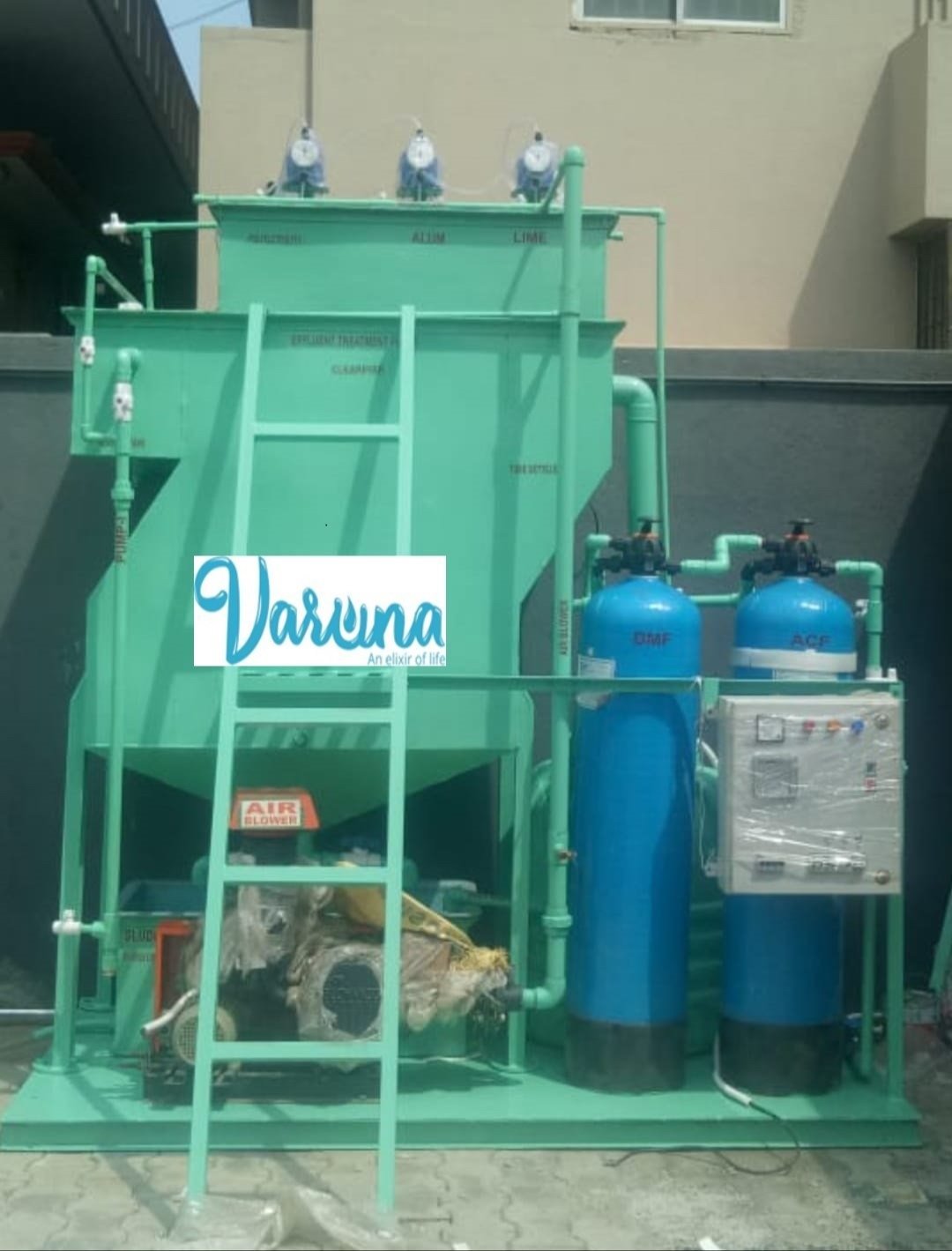
Explore Our Services