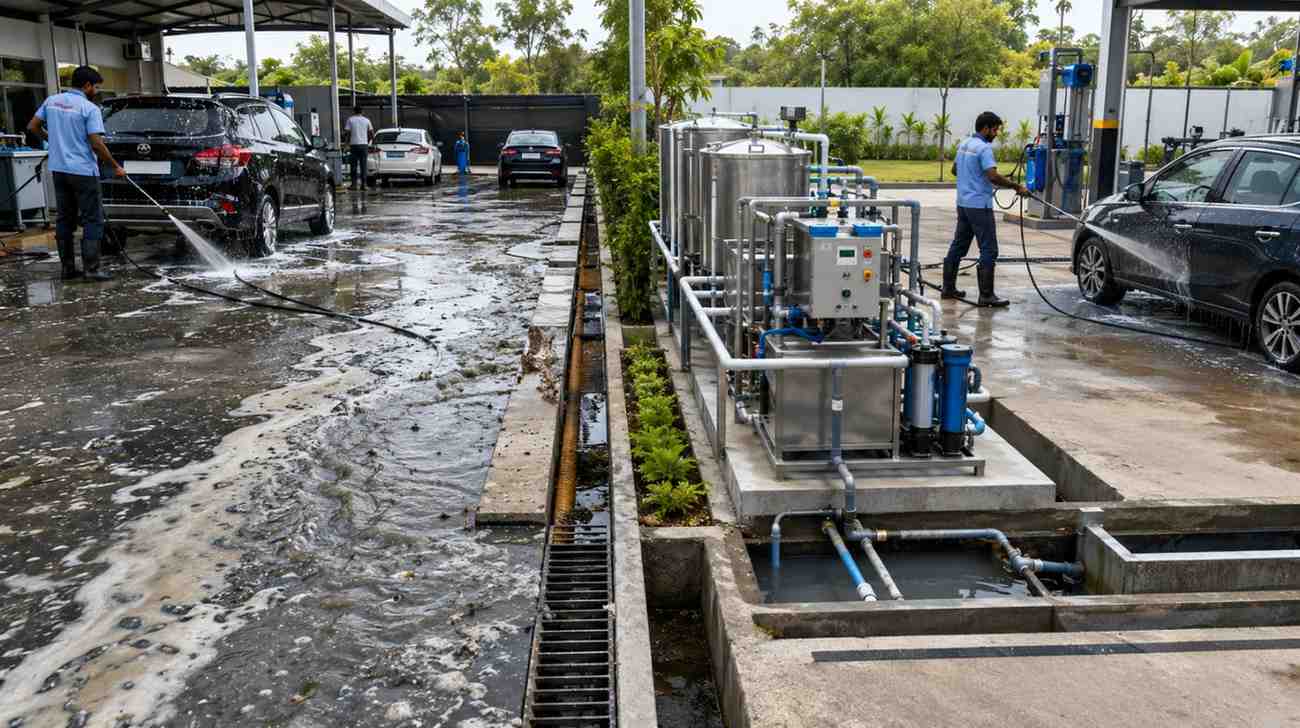
Common Water Wastage Mistakes Car Wash Owners Make (And How ETP Fixes Them)
Discover the common water wastage mistakes car wash owners make and how Varuna Car Wash ETP fixes them—saving water, money, and compliance headaches.
Most car wash owners aren't wasting water on purpose. It happens quietly, built into daily habits and old assumptions about how the business is "supposed" to run. The problem is, those small oversights add up—into higher bills, compliance risks, and margins that are thinner than they need to be.
Here are the most common water wastage mistakes car wash owners make and how a Car Wash ETP fixes each one.
Why Water Wastage Goes Unnoticed in Car Wash Businesses
Water is one of those costs that's easy to overlook because it doesn't arrive as one big bill — it arrives daily, in small amounts, blending into the background of running the business. That's exactly why it goes unquestioned for so long, even as it quietly eats into profit.
Mistake #1: Relying Entirely on Fresh Water
The most common mistake is the simplest one: using fresh water for every wash, every time, with no system in place to reuse any of it. It's the default most car washes start with and the one that costs the most over time.
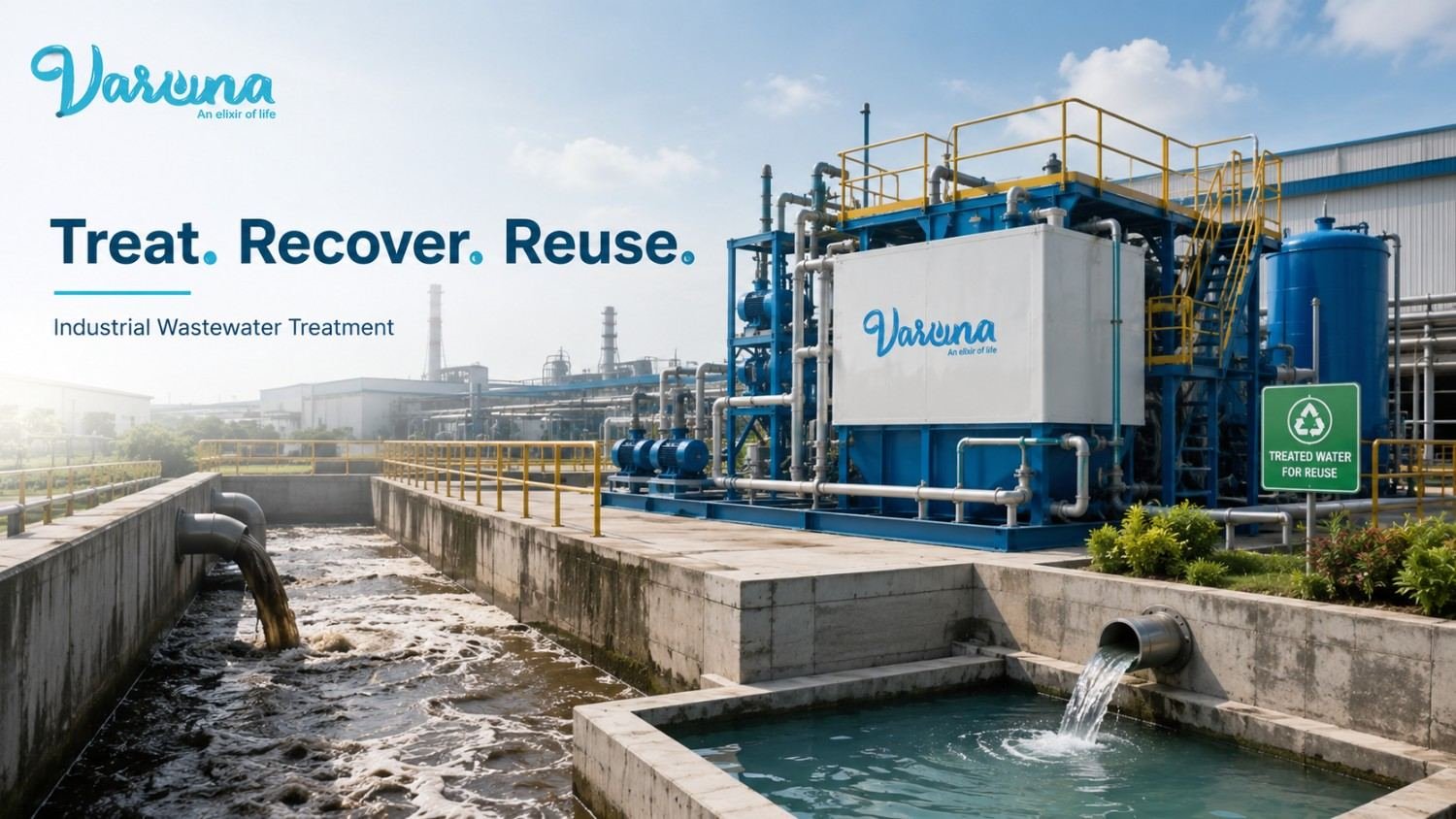
The fix: A water recycling system for car wash operations treats used water so it can go straight back into the wash cycle, cutting fresh water dependence dramatically.
Mistake #2: Ignoring Wastewater Discharge Compliance
Car wash wastewater isn't just water—it carries oil, grease, and detergent residue, all of which fall under pollution control regulations. Discharging it untreated isn't just wasteful; it's a compliance risk that can lead to penalties.
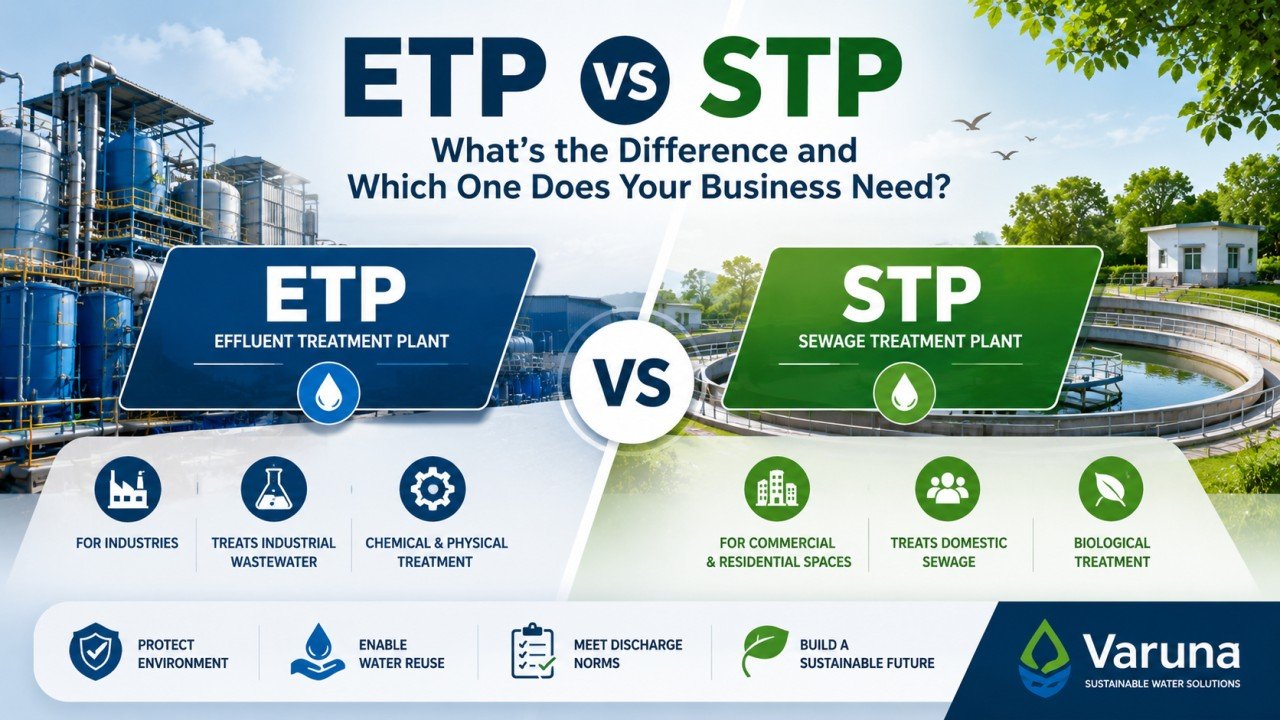
The fix: An effluent treatment plant for car wash businesses treats this wastewater properly before reuse or discharge, closing the compliance gap along with the water waste. A KSPCB-compliant solution ensures this happens within the standards set by the Karnataka State Pollution Control Board, so businesses aren't left exposed to penalties.
Mistake #3: Treating Water Recycling as "Optional"
Many owners view water recycling as a nice-to-have rather than a core part of running the business—something to consider "later" once things settle down. That mindset usually means it never happens, and the daily cost keeps adding up in the meantime.
The fix: Building recycling into the business from the start, rather than treating it as an afterthought, is what actually changes the cost structure long-term.
Mistake #4: Choosing Systems That Are Hard to Maintain
Some car washes do invest in treatment systems, only to abandon them because they're too complex to maintain. A system that's too much hassle to run properly ends up unused—which means the water savings never materialise either.
The fix: The system itself needs to be simple enough that maintenance doesn't become a barrier to actually using it.
How Varuna Car Wash ETP Fixes These Mistakes
-
Compact, Easy-to-Install ETP Design
Varuna's Car Wash ETP is built to fit into existing car wash sites without major construction, making it practical to adopt rather than disruptive.
-
Up to 90% Water Recycling
Instead of relying entirely on fresh water, the ETP recycles up to 90% of water used, directly solving the most common mistake on this list.
-
Built-In Pollution Control Compliance
The system treats oil, grease, and detergent residue, helping car wash businesses meet discharge regulations rather than risk penalties for ignoring them. As a KSPCB-compliant solution, it's built to align with the discharge norms set by the Karnataka State Pollution Control Board, giving business owners one less thing to worry about.
-
Low Maintenance by Design
Because it's built for low maintenance, it avoids the trap of being too complicated to actually keep running—so the savings keep coming, day after day.
The Cost of Not Fixing These Mistakes
Every one of these mistakes has a price tag, even if it's not obvious month to month. Higher water bills, compliance risk, and inefficient operations all quietly reduce what a car wash business actually earns. The businesses that fix these issues early are the ones that end up running leaner for years afterward.
Conclusion
Water wastage in a car wash business rarely looks dramatic — it just looks like business as usual. But left unaddressed, these small, common mistakes compound into real cost. With Varuna Car Wash ETP, those mistakes get fixed at the source: less fresh water used, less wastewater mishandled, and a system simple enough to actually stay in use.
FAQs
Q1. What's the most common water wastage mistake car wash owners make?
Relying entirely on fresh water for every wash without any system in place to treat and reuse it.
Q2. How does Varuna Car Wash ETP help with compliance?
It treats wastewater containing oil, grease, and detergent residue before reuse or discharge, making it a KSPCB-compliant solution that helps businesses meet Karnataka State Pollution Control Board regulations.
Q3. Why do some car washes abandon their water treatment systems?
Often because the system is too complex to maintain, making it impractical for daily use—which is why low maintenance design matters.
Q4. How much water can a Car Wash ETP actually save?
Up to 90% of the water used in the wash process can be recycled and reused with Varuna Car Wash ETP.
Q5. Is fixing these water wastage mistakes worth the investment?
Yes. Since fresh water and non-compliance risks are recurring costs, a one-time ETP investment typically pays off through long-term savings.